Frames n’ Palettes: Sri Lanka
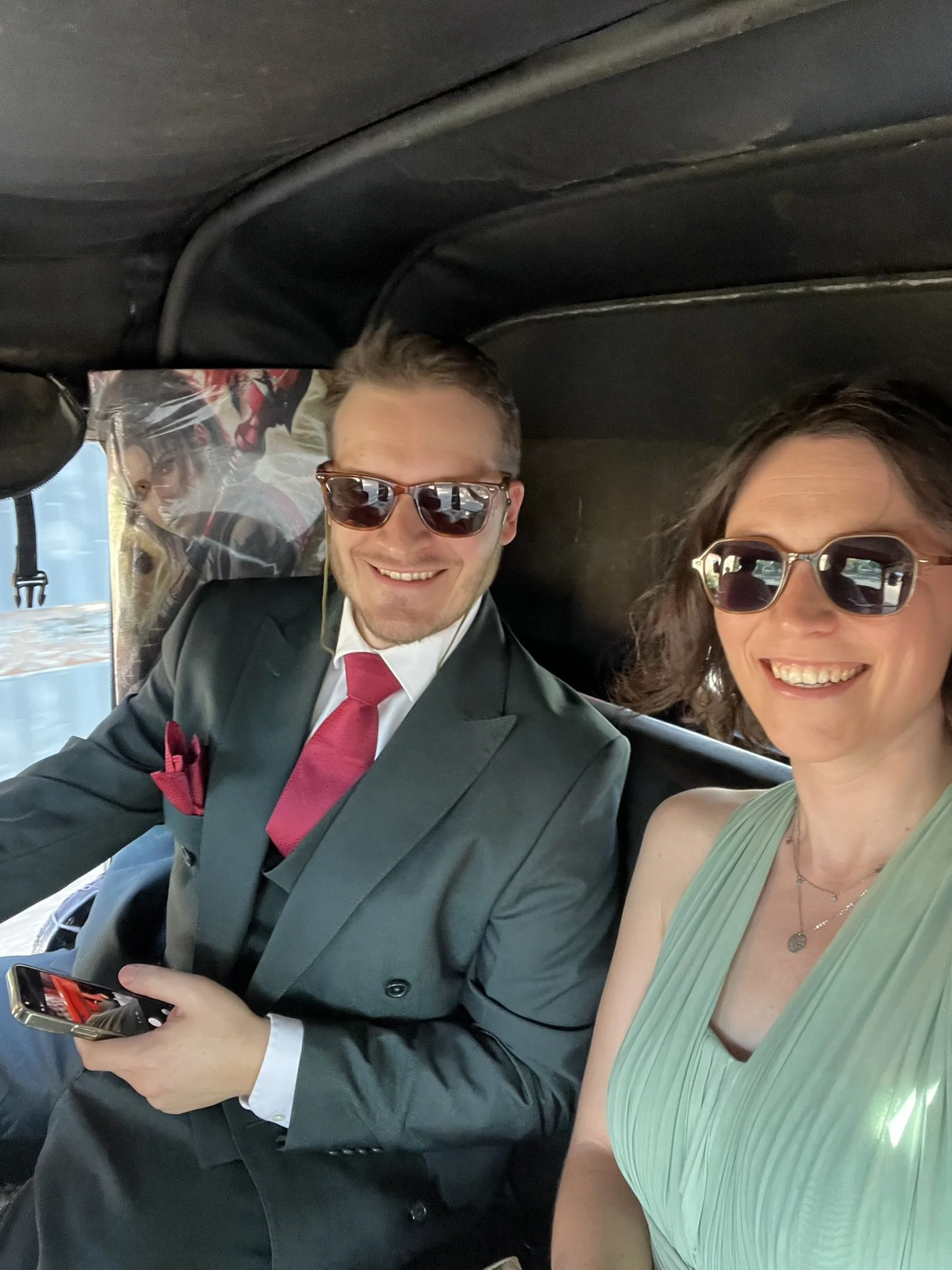
Dehydrated and jet-lagged. Enjoying the first day
Starting off as an invitation to a friend of mine’s wedding, this turned out as a much needed holiday during the passing into 2026. The temperature and weather difference between Germany and Sri Lanka during December is quite shocking. Leaving snow behind only to be met with 35°C and humid heat withing the span of 12 hours. Like a frozen veggie that you throw in the airfryer after forgetting it on the table for half a day.
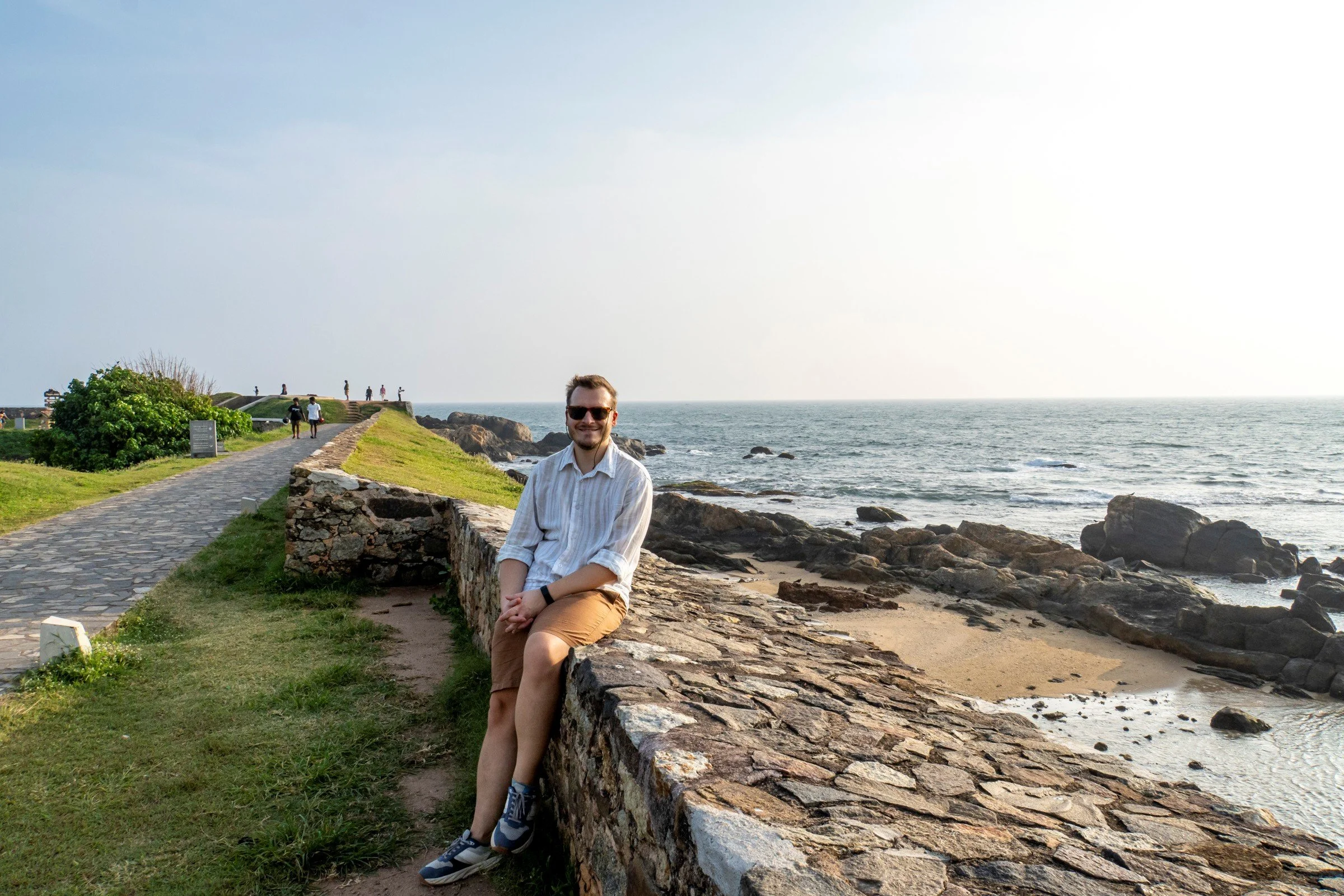
Our trip took us to the southern side of Sri Lanka over the course of a week. The photos shown here are taken in Galle Fort, Yala National Park and Kalutara.
The island is a perfect mix for the senses. The noise of people and machines going about their business of everyday life, mixed in with the warm palette of earthy and nature tones, accompanied perfectly by the warm and very humid smell of plants, spices and old buildings. But it did not take me long to understand why it’s such a special place.
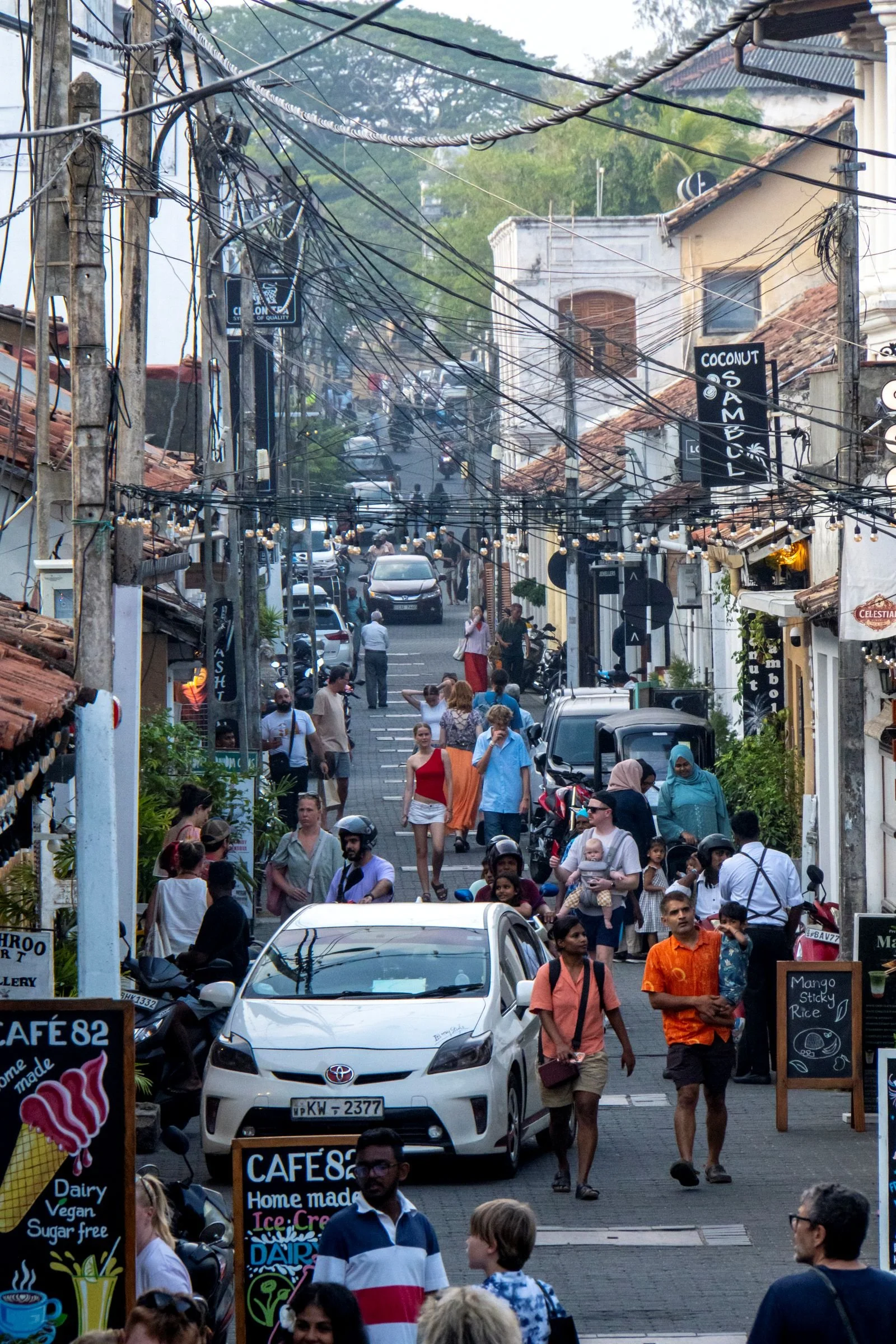
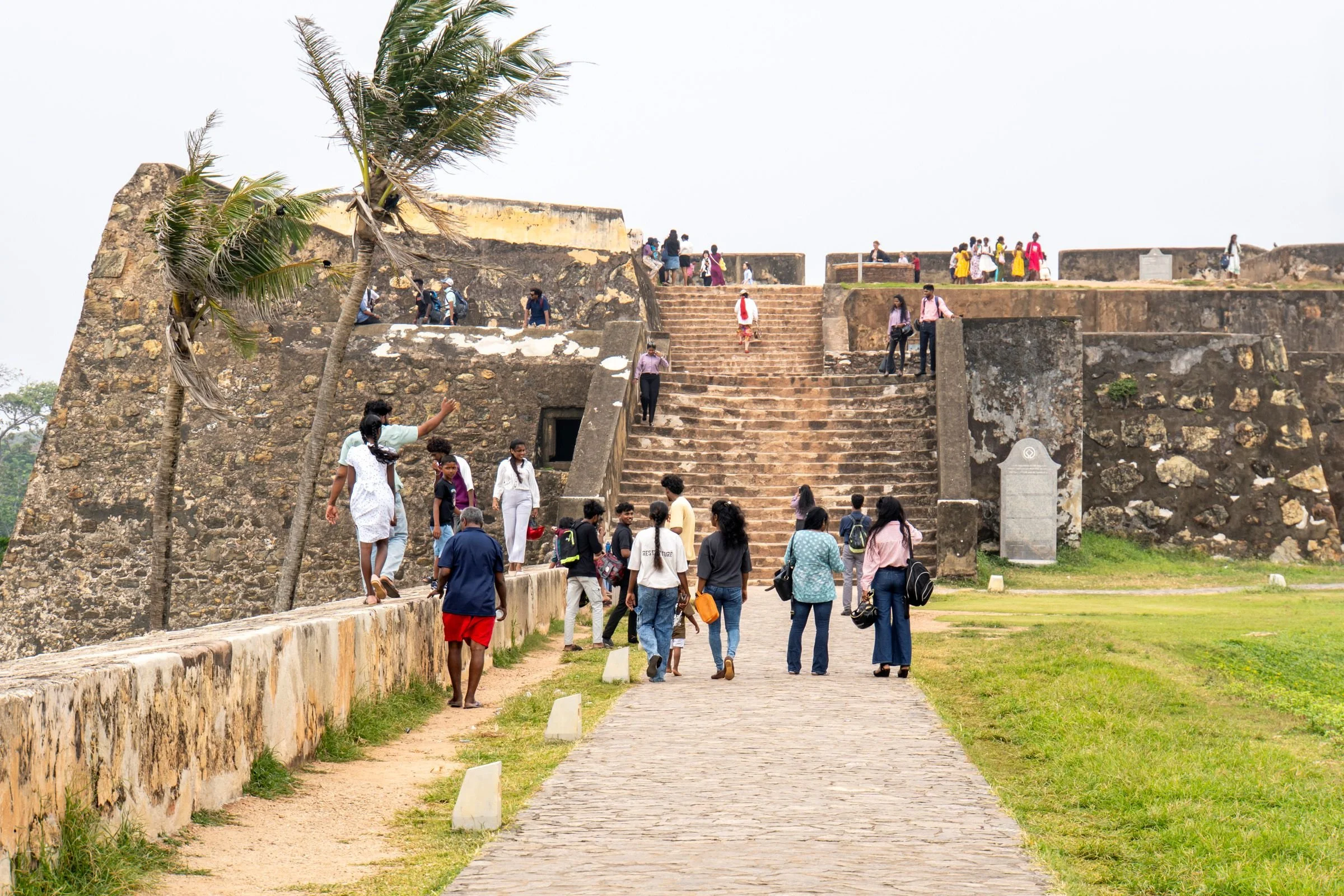
Typical street in Galle Fort
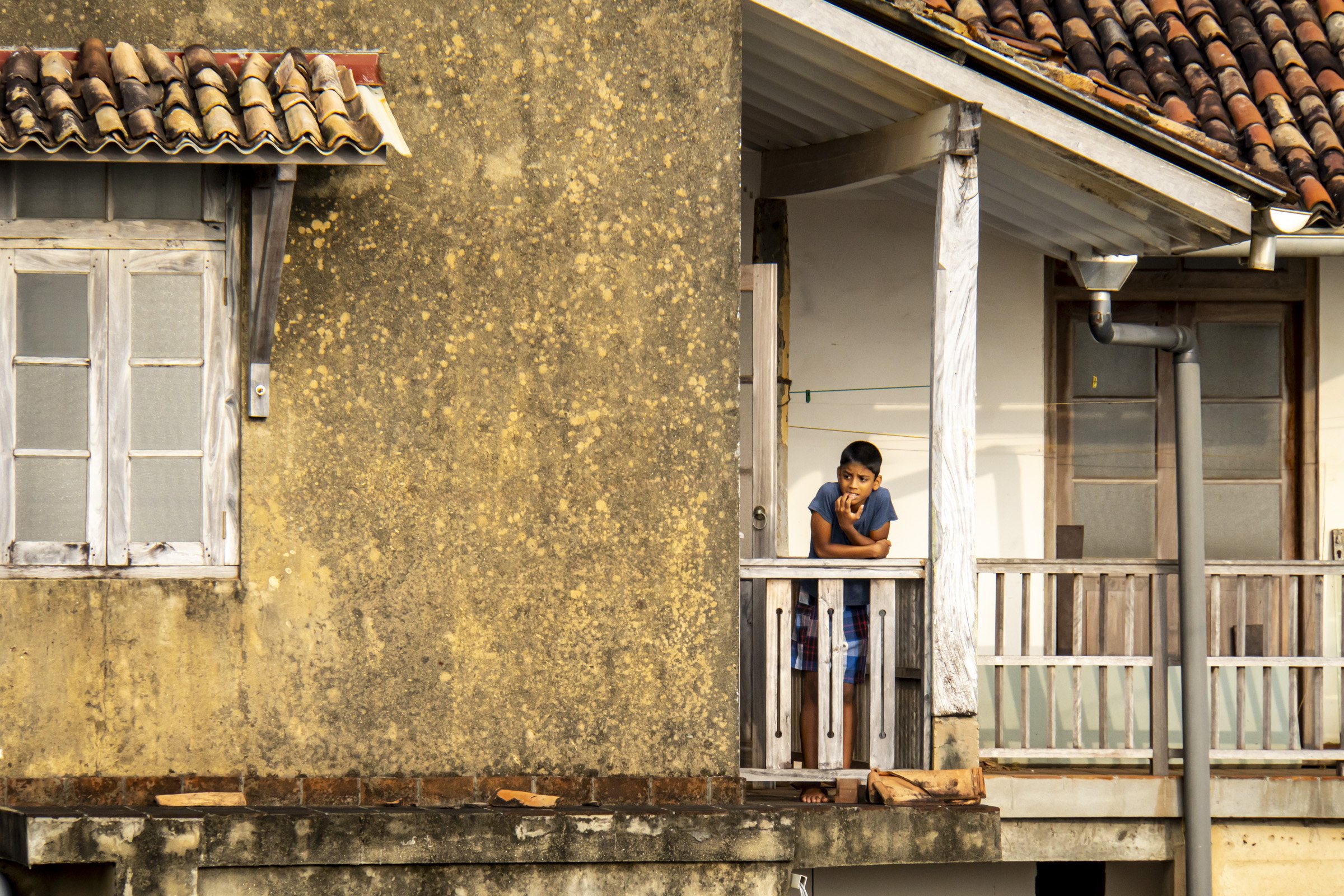
Curious kid watching the world go by
Colours and Patterns
Visuals are my bread and butter, and this country delivers an overwhelming amount of things to focus on… get it? Focus with your camera…? Nevermind…
Sri Lanka has a great number of symbols, textures, patterns and colours that make up its visual identity. Whether it’s the hand-carved ritual masks, the deep lush forests, or the patterns found on buildings, this country really is an inspiration for anyone involved in photography or design.
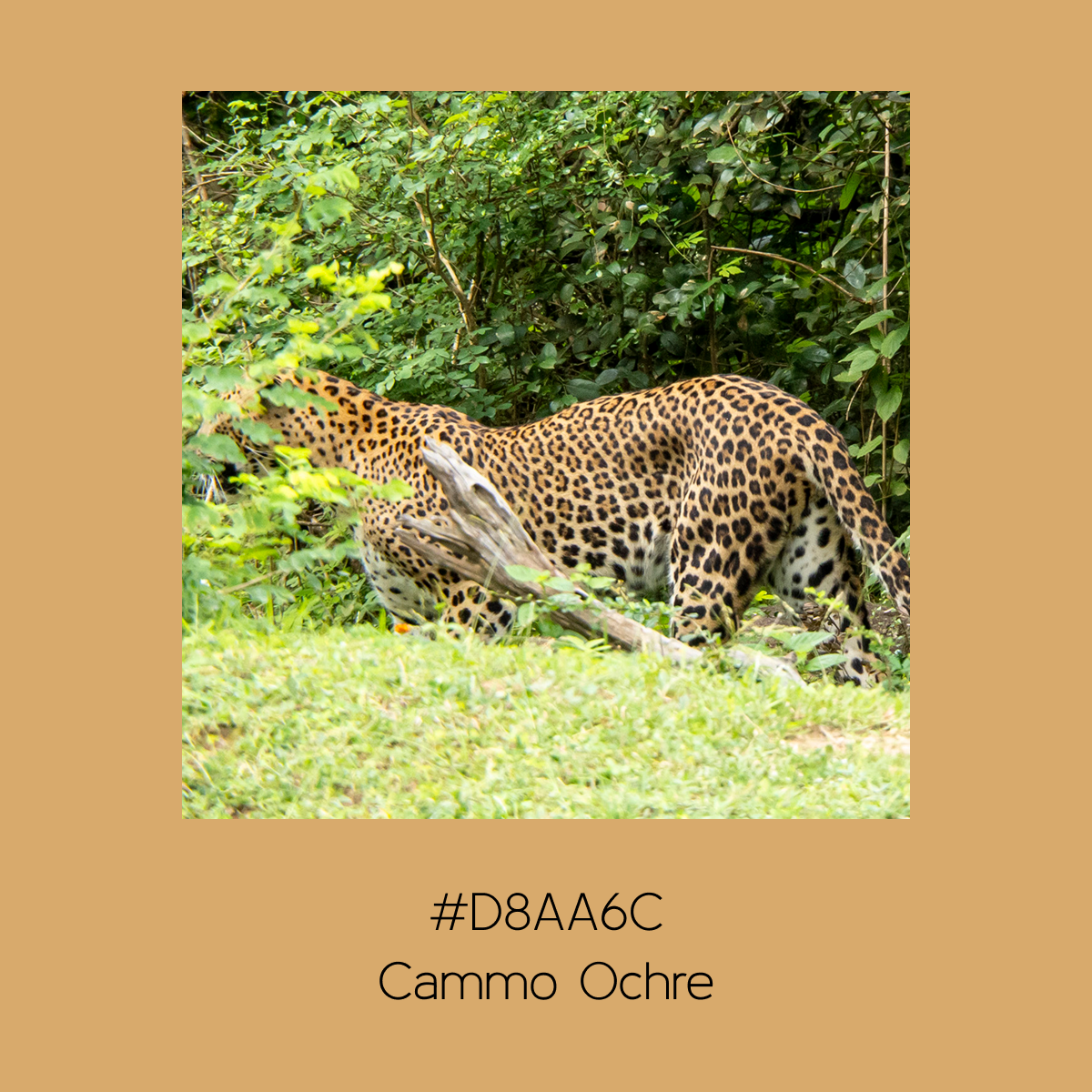
If I could extract a colour pallet that would be representative of the whole island, I would pick warm tones mixing yellows, deep greens, and greys. These can be found anywhere around the country, and are the perfect balance between nature, fauna and architecture.
This place is a gold mine for visual inspiration and stock photography. Not to mention, nature and fauna lovers will have a field-day in all the amazing forests and national parks.
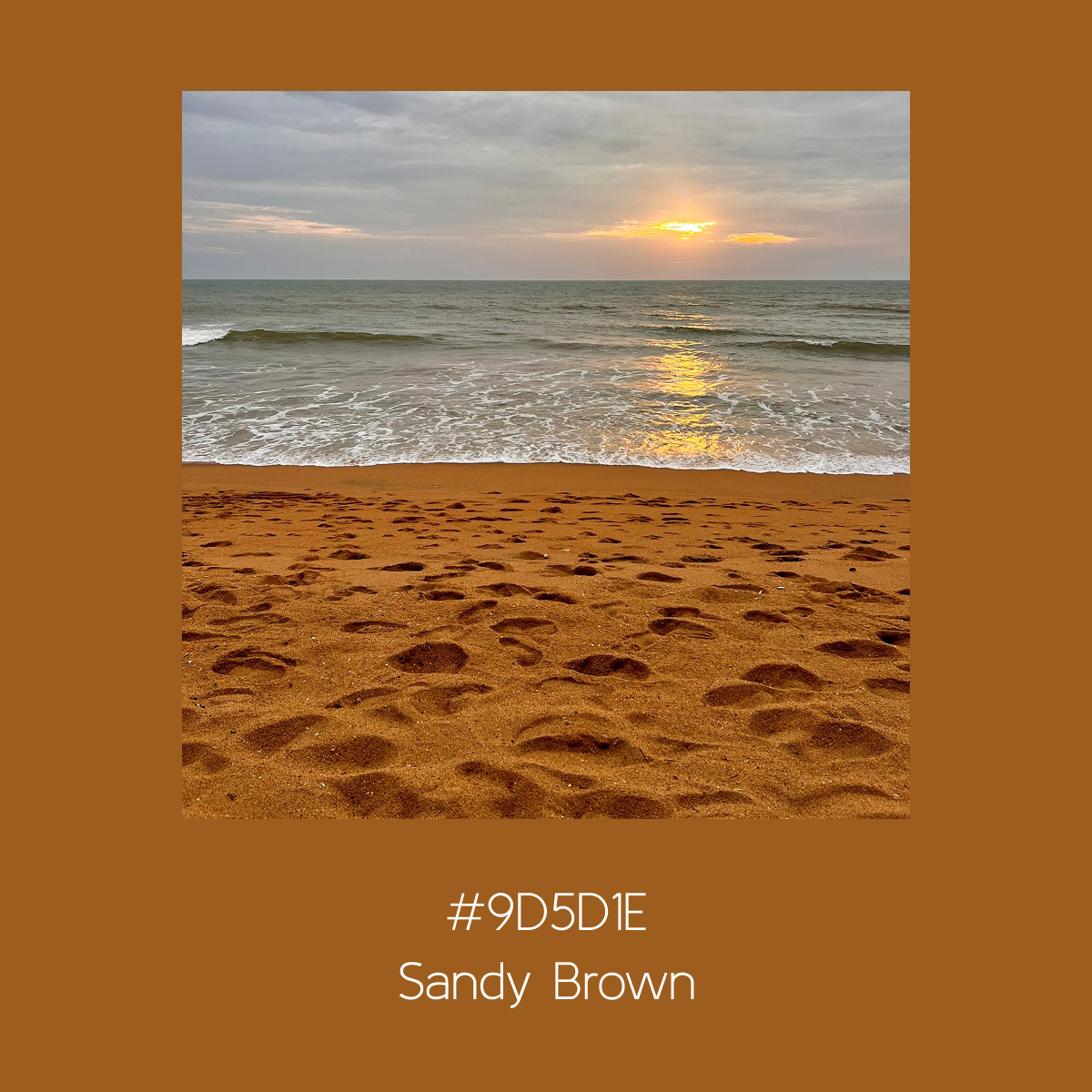
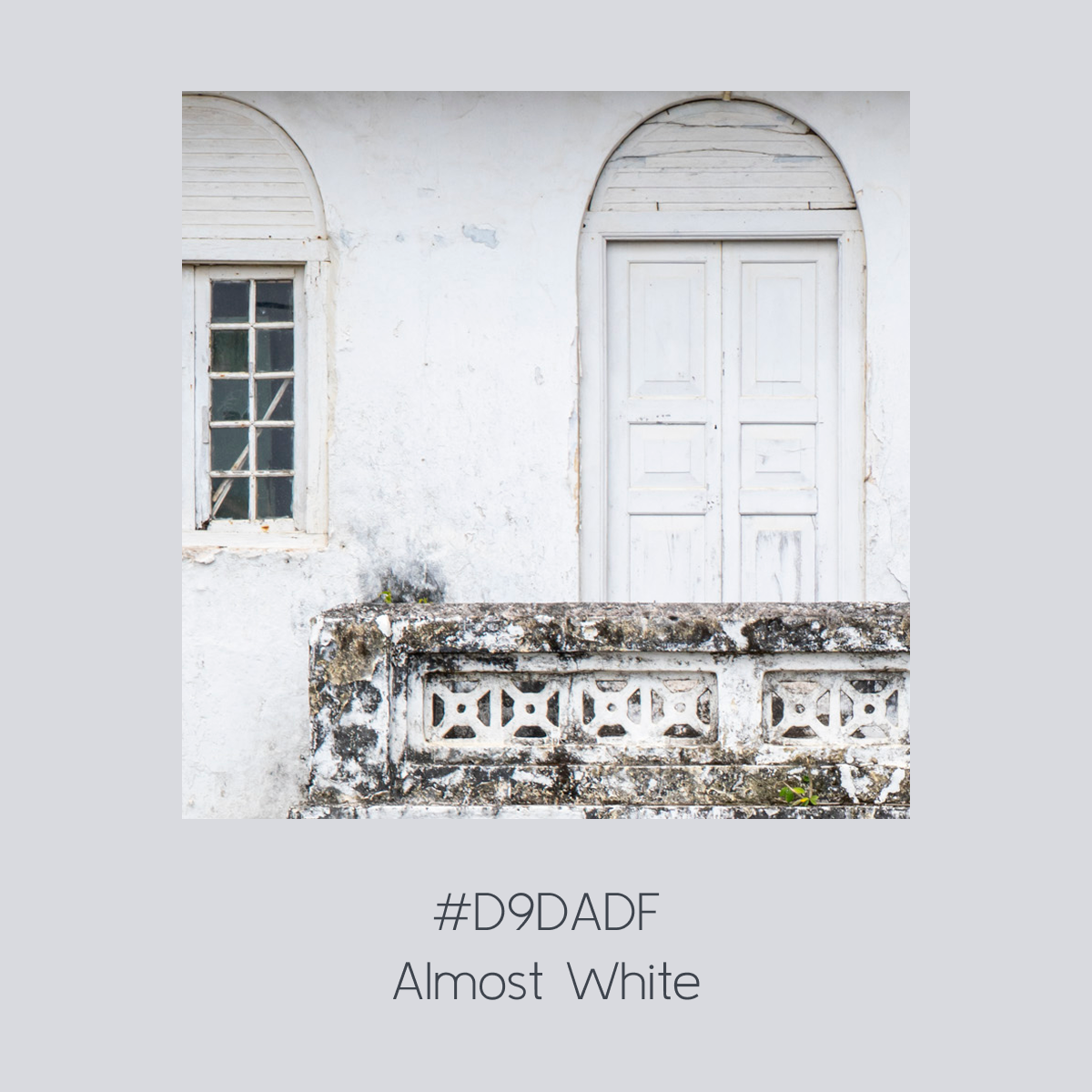
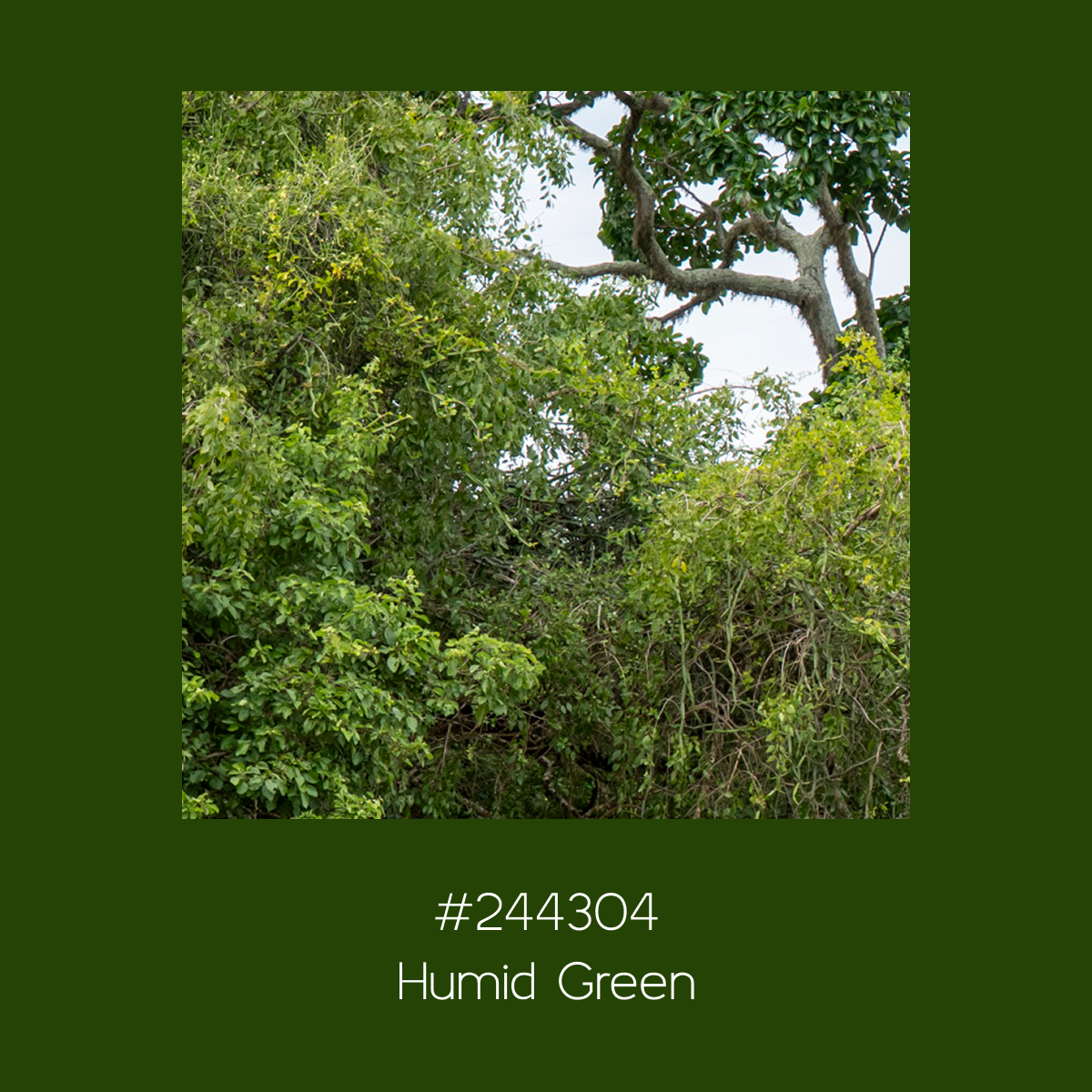
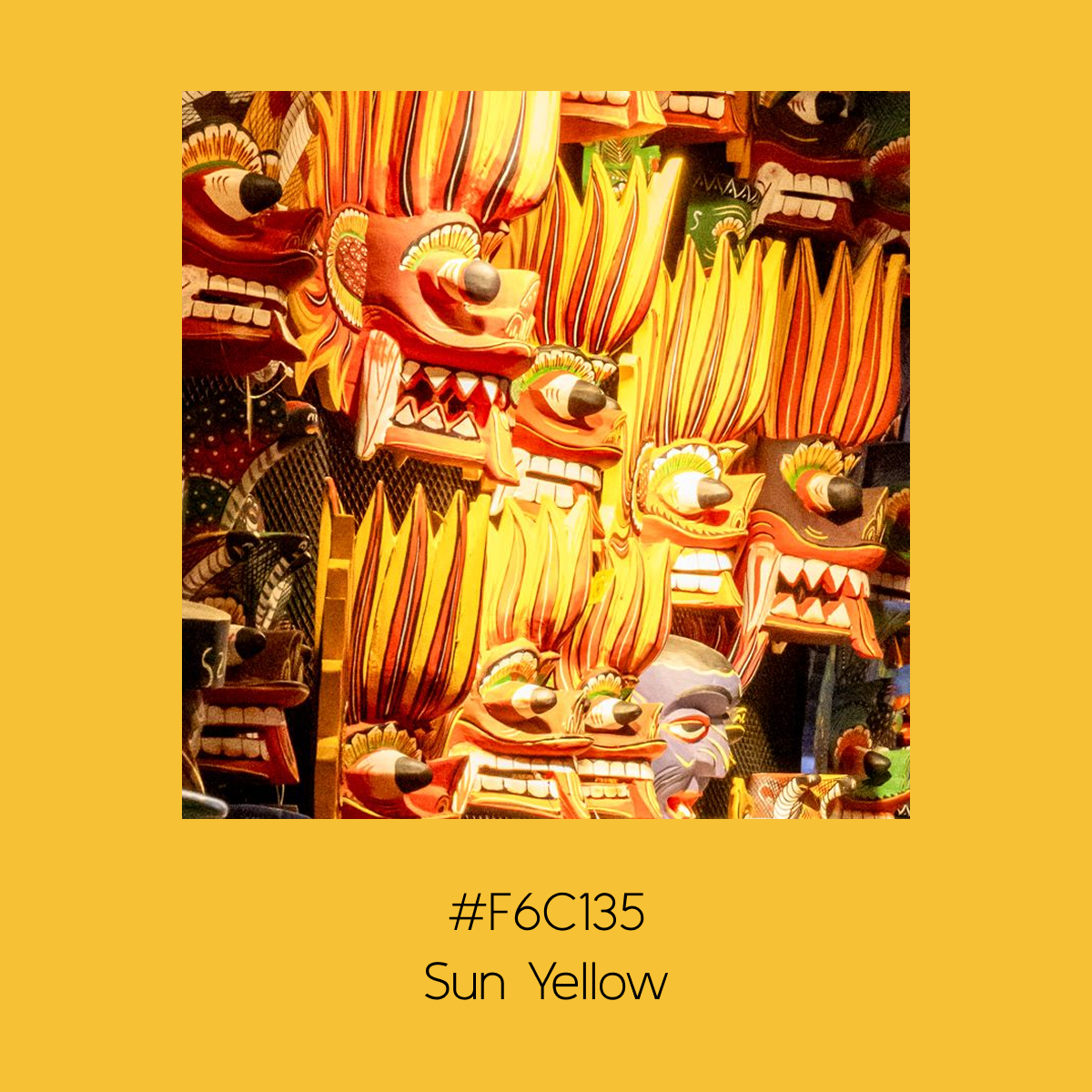
History and Culture
Signs of human civilisation date back 35,000 thousand years, while the early modern period of Sri Lanka starts in 1505 with the first Portuguese soldiers and explorers constructing settlements and expanding their influence throughout the next century. The main dominant colonial power shifted to the Dutch and then later to the British Empire, with spices, tea and rubber being the main resources that were traded and cultivated. This period is also when the island was given the name of Ceylon.
Signs of these colonialist influences can be seen everywhere, from the language, to the architecture, up to modern tourism. However, the resilience and strength of the Sri Lankan people is the major thing that stood the test of time. This is a country that has kept its values and traditions, despite its complicated history.
Everywhere our driver took us, we’d see a mosque, Buddhist temple and Christian church all within 5 minutes of each other - this was unlike any other country that I have visited before. There are 2 major cultural groups in the form of the Sinhalese (centered in Kandy and Anuradhapura) and the Tamil (centred in Jaffna). Religiously, the island is a diverse mix of Buddhists (taking up the majority), Hindus, Muslims and Christians. This can be seen in the diversity of places of worship around the island.
Most interesting was a Japanese Peace Stupa that we saw from very far away. Our guide offered to drive us up a very narrow hill road, where you could barely fit people, let alone a car. And there it was in all its glory: “The worldwide Peace Pagoda movement was founded by the late Buddhist monk Nichidatsu Fujii, who believed that constructing monuments to peace in countries affected by war or division could help heal collective memory.” (lakpura.com)
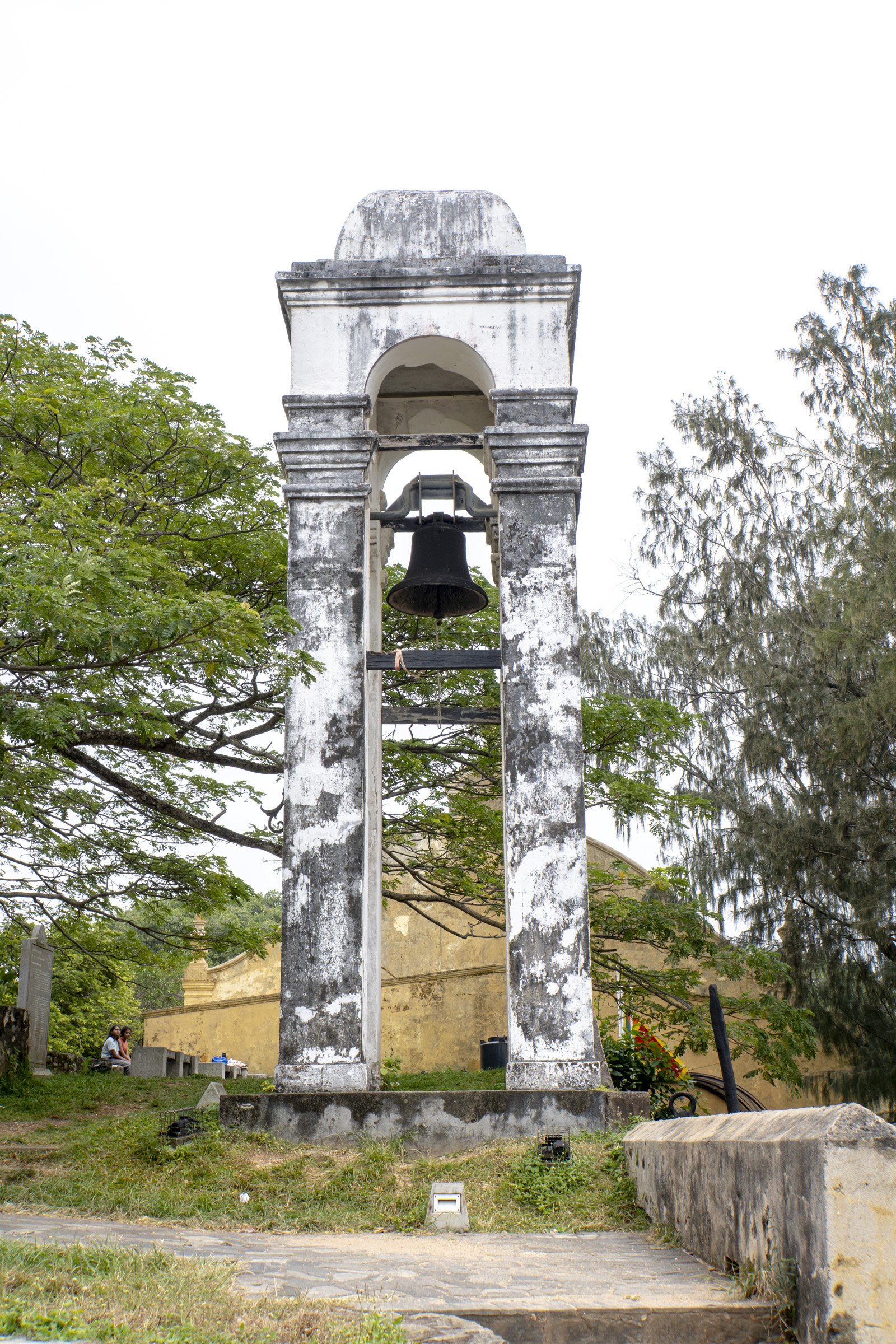
Old bastion bell tower, still standing
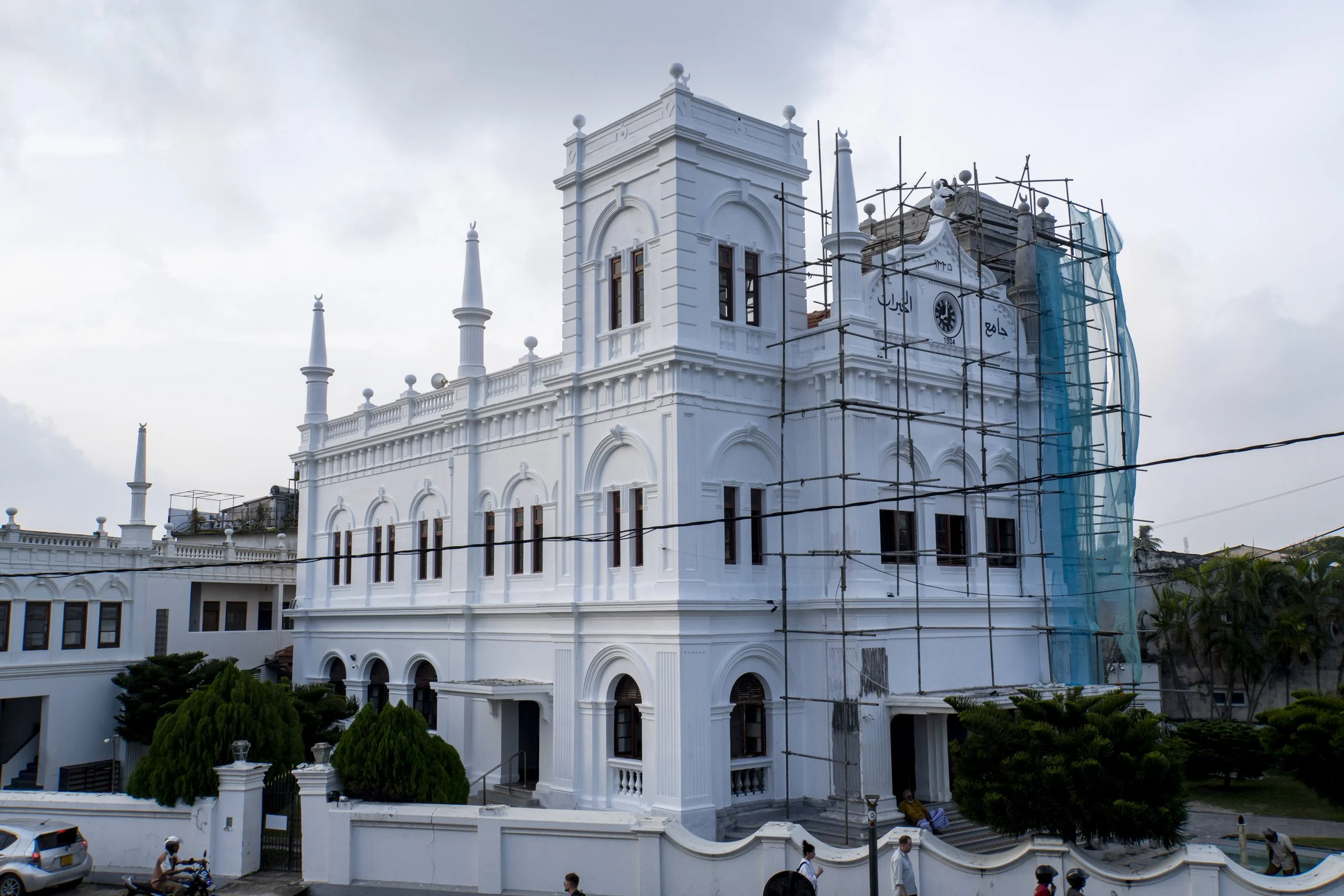
Meeran Mosque - Galle Fort
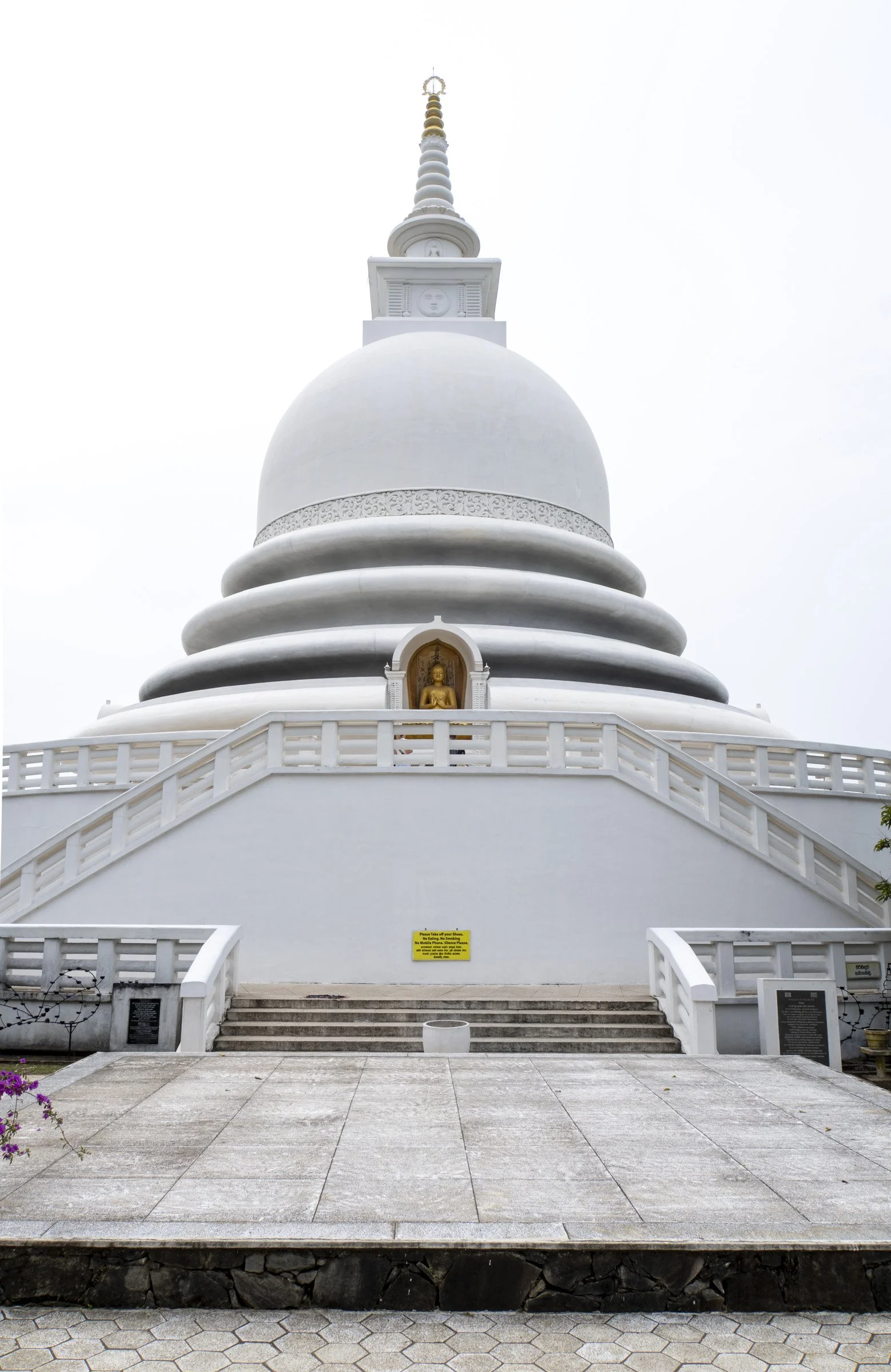
Japanese Peace Pagoda - Rumassala
Architecture
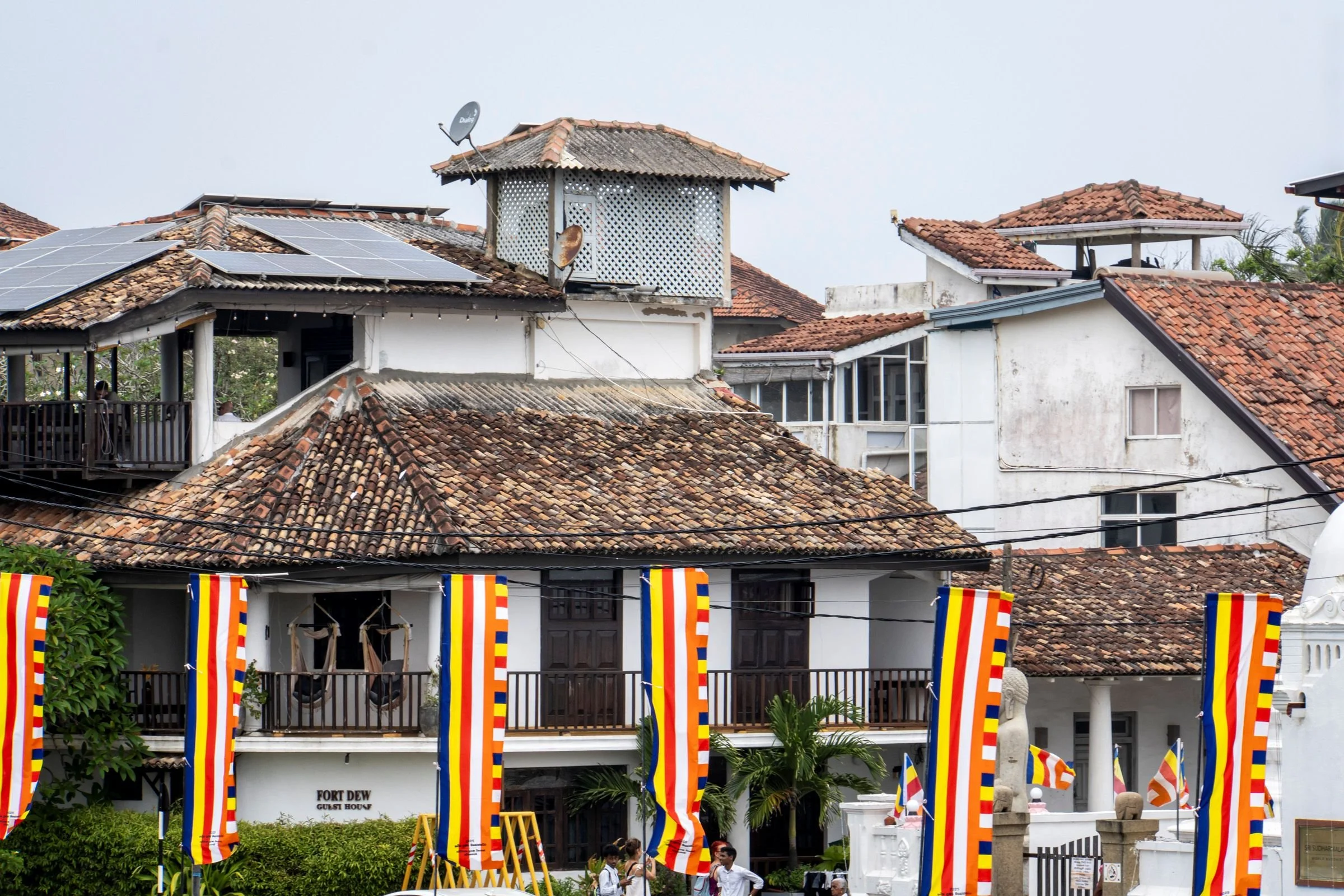
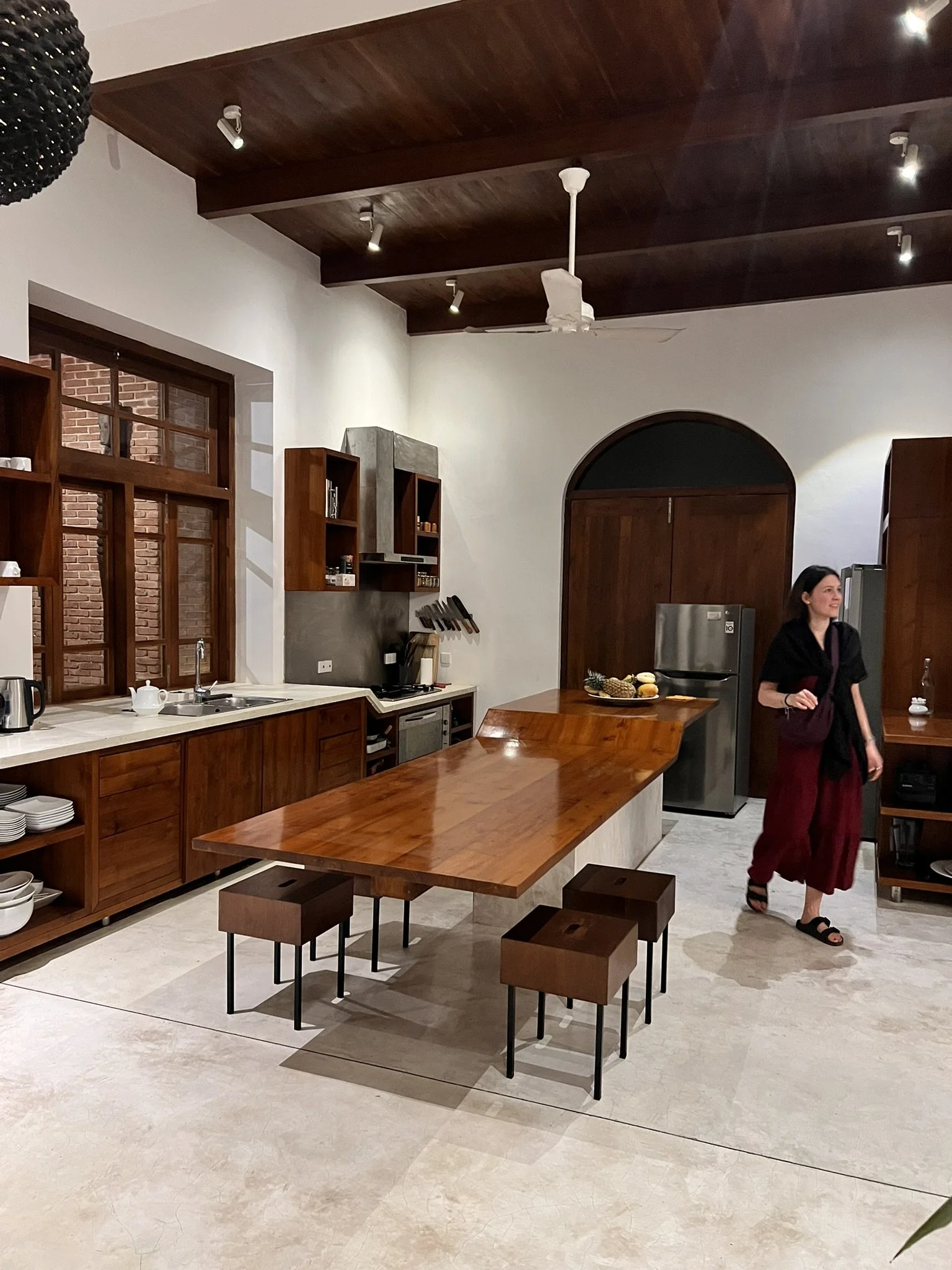
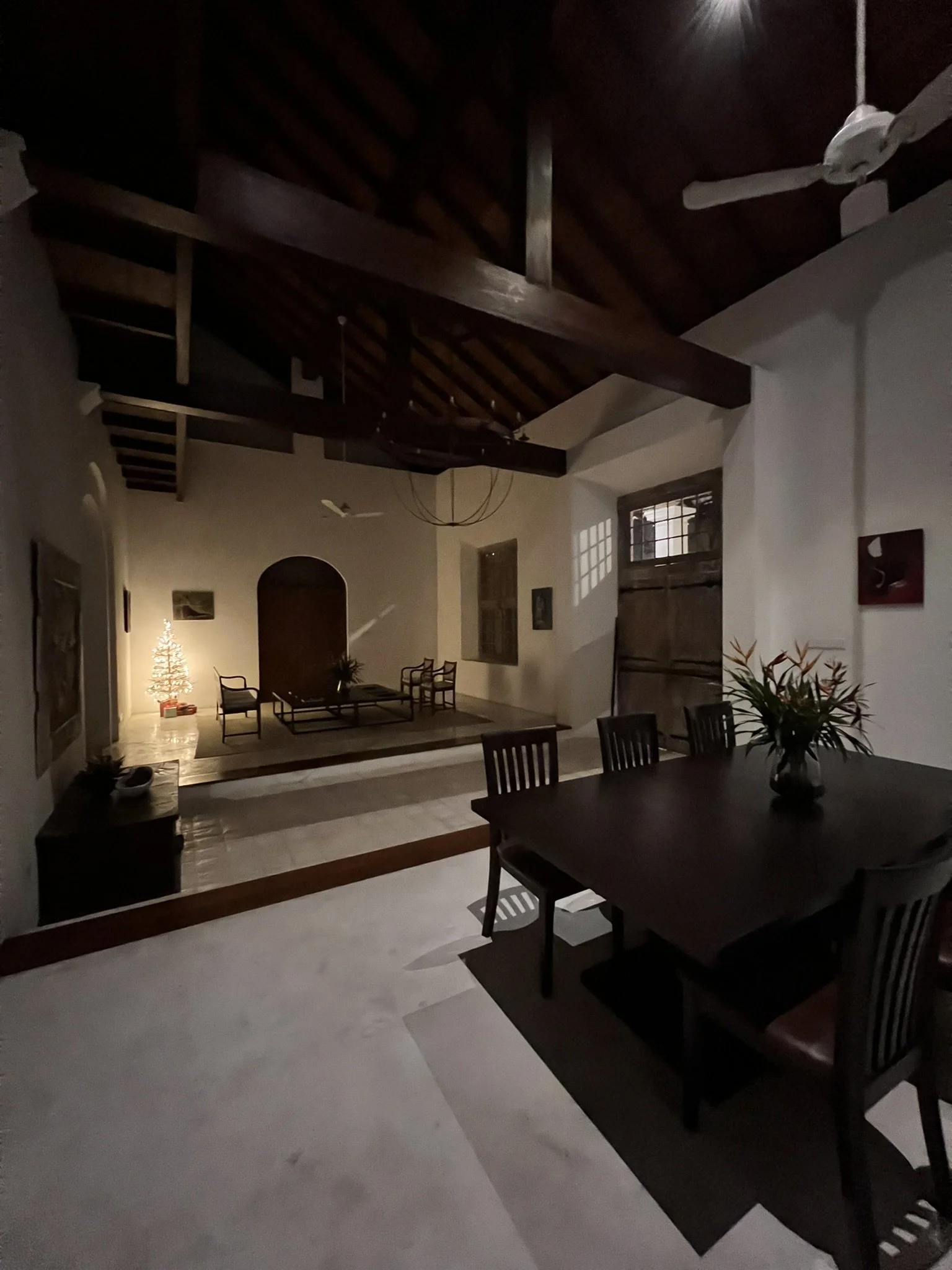
Architecturally, the whole country is a gem. There is an incredible mix of different styles brought over by various empires that had colonialist intents. Denmark, Portugal and British Empire have all taken their turn at the helm of Sri Lanka, leaving behind their mark on the architecture.
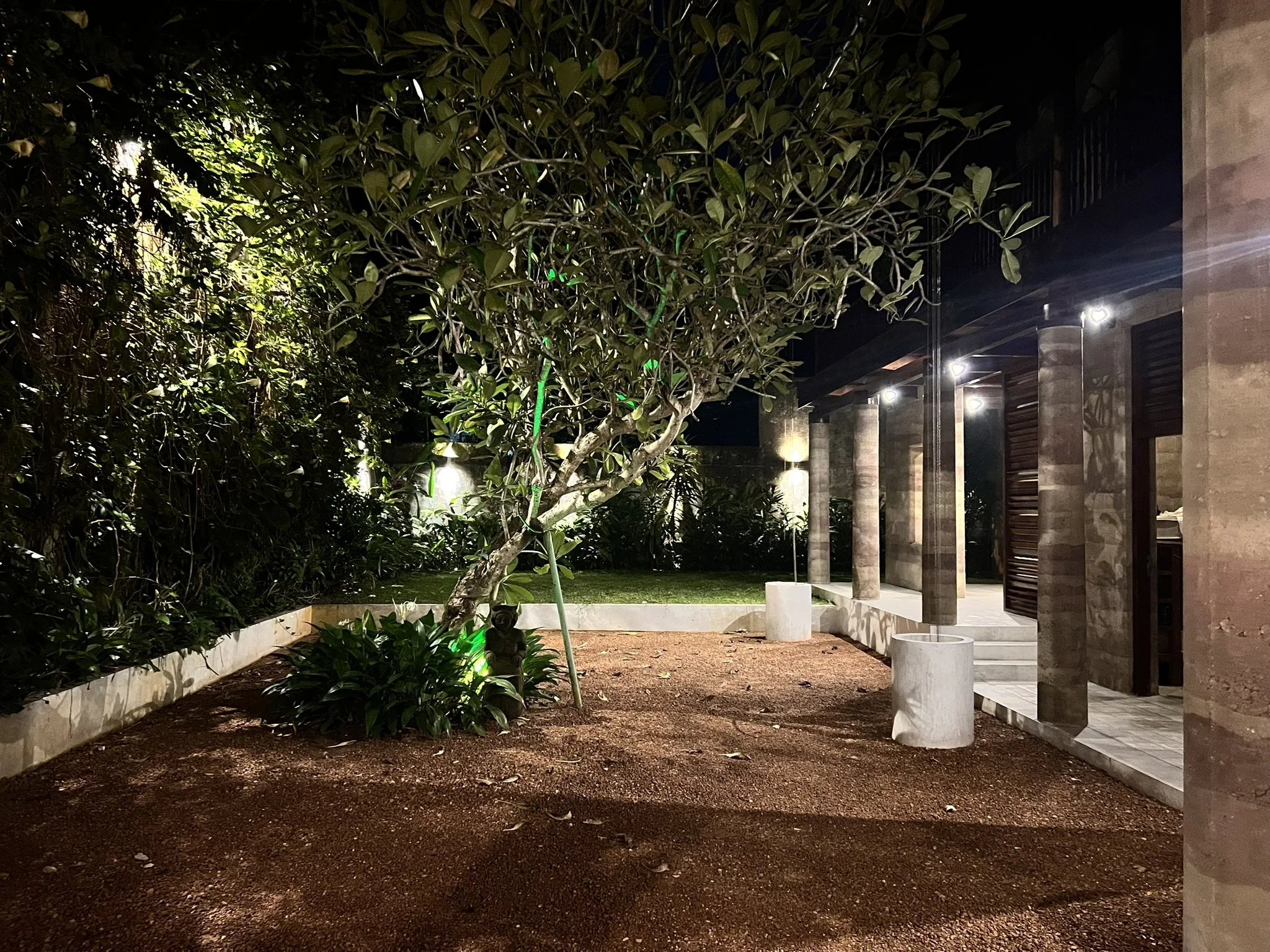
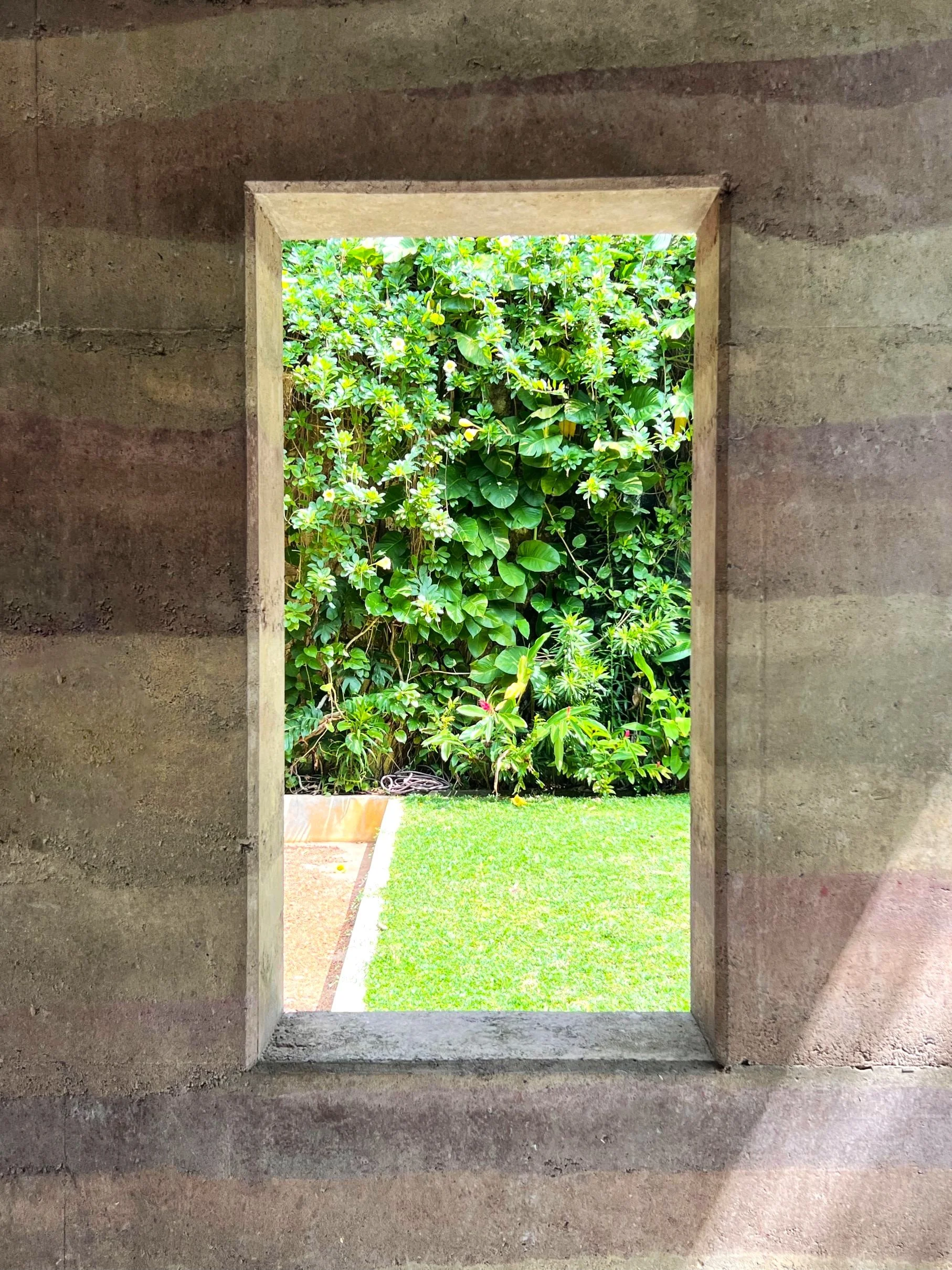
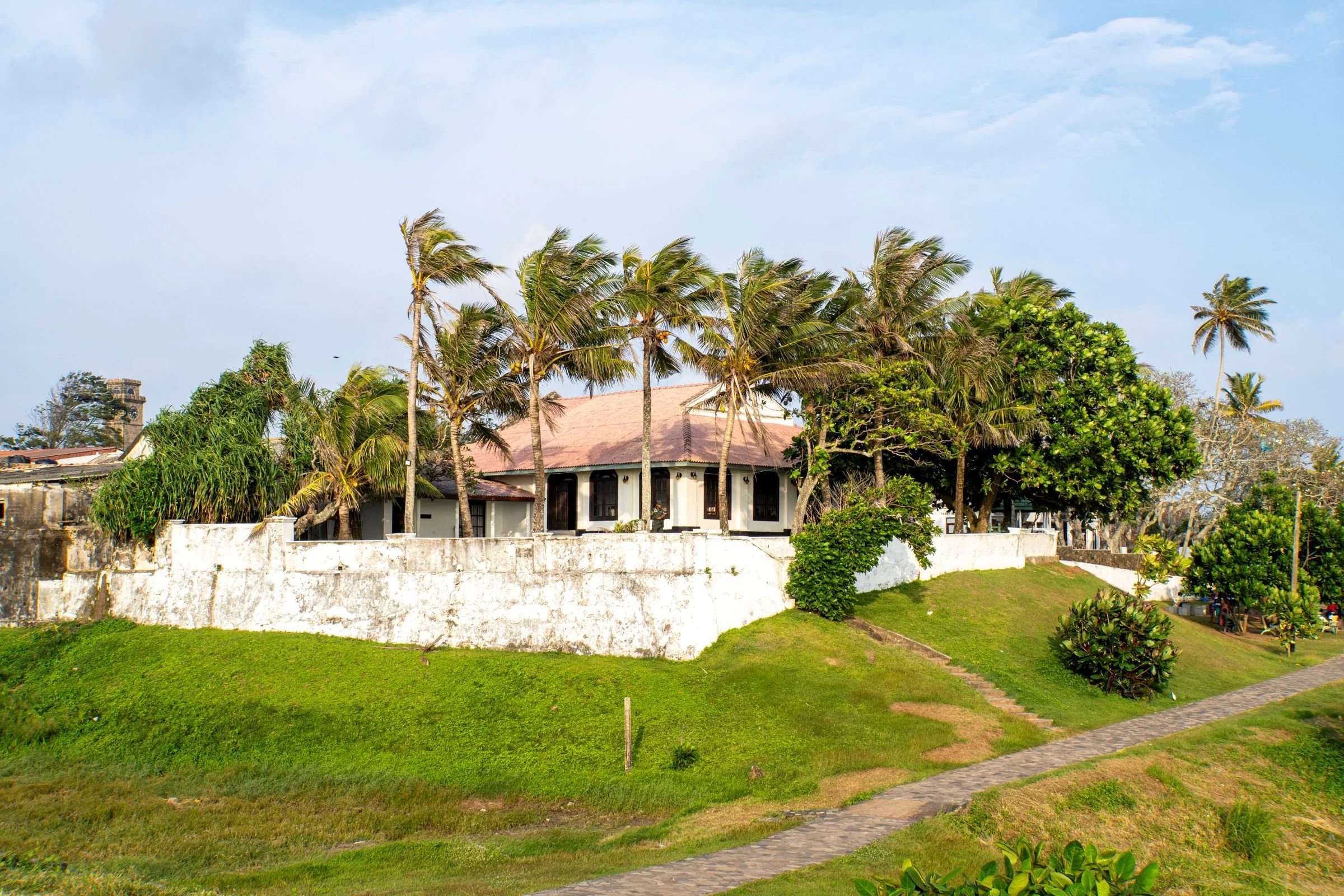
There is something quite picturesque about the buildings: Long columns, open spaces, dark red wood, brick, huge plants and beautifully decorated gardens. The homes are constructed with the garden and open communal space as the focus. These feels like the equivalent of a hearth in old European houses.
The buildings are offering their own story. Textures of decay, layers peeling off to reveal colours long forgotten. The memories and history of a place; these buildings have been silent witnesses to everything. There is something appealing about old colonialist brick and mortar, and I do not wish to romanticise it, since it carries the heavy burden of the locals communities having to endure the European colonialists.
The people
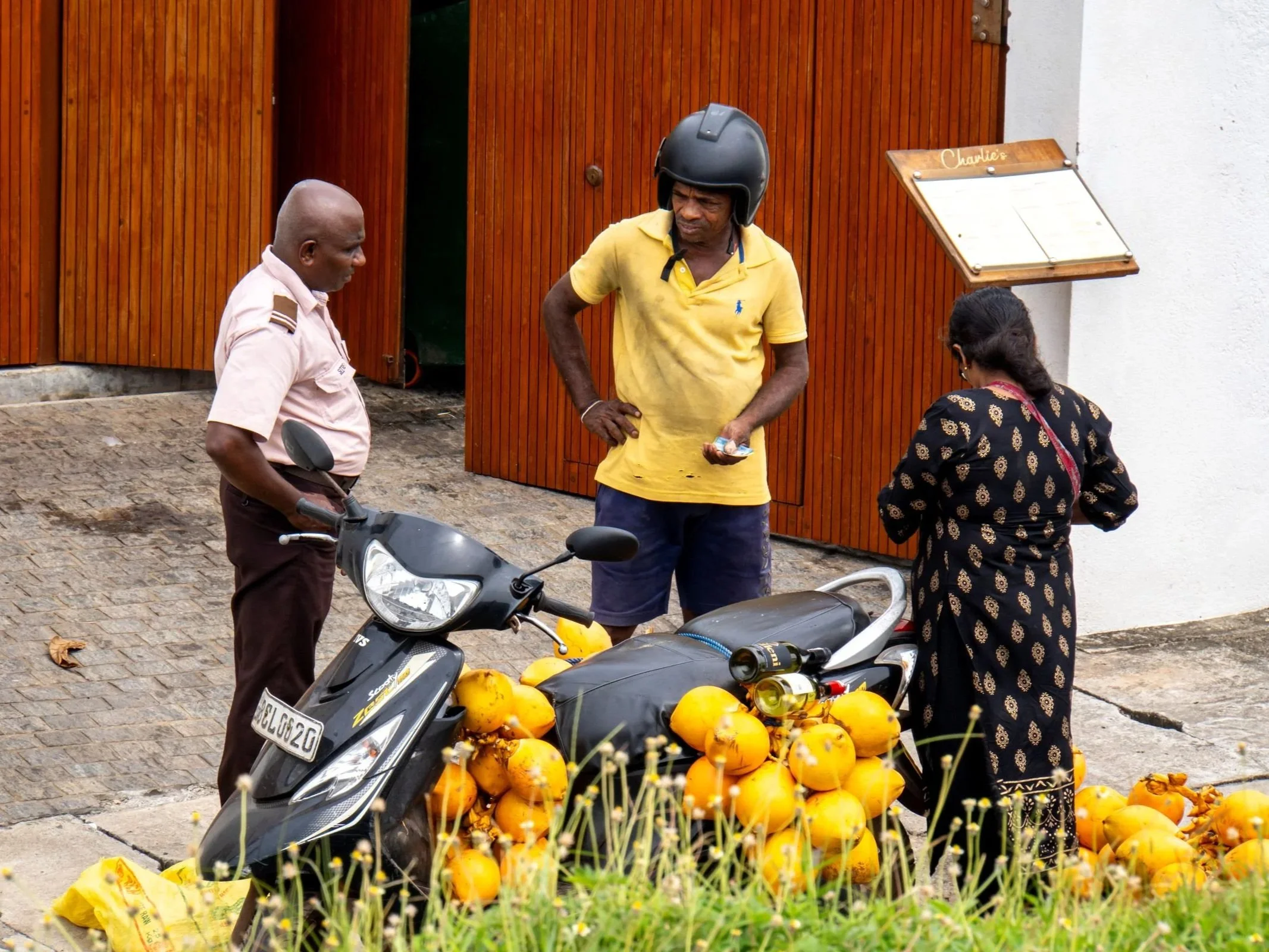
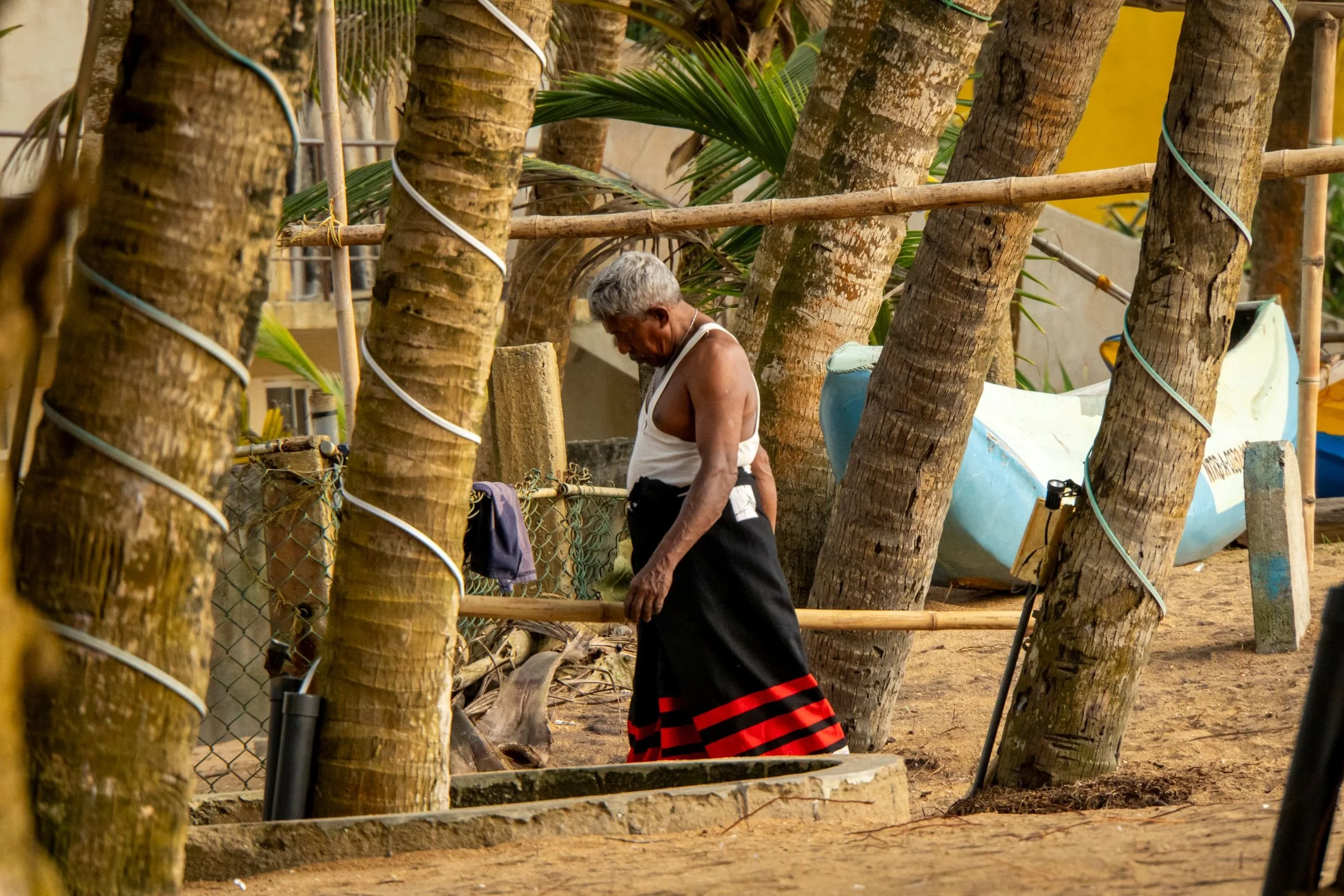
The people are the most memorable part of the journey. Sri Lankans are amazingly warm people with strong personalities. I think this stems from their need of self-sufficiency and endurance during all the conflicts and tumultuous historical events. This kind of resilience is mixed with a love for trade and business. They never miss an opportunity to show off their wares and hard bargaining skills.
New Year’s Eve was loud and cheerful, as per my expectations. Fireworks, honking horns and general merriment kept on going deep into the nigh, while groups of people were moving around Galle Fort trying to find the perfect spot to watch the fireworks and start off the new year.
Flavours
The cuisine is a fantastic mix of spices, herbs, fish, veggies and fruit. All grown locally, any meal is sure to take you on a journey. Outside of the touristic areas, a few restaurants we visited did not even have menus. Instead, our hosts simply asked “Should we just cook you a bunch of dishes?” - those were the evenings with some of the most delicious food we had on our entire trip.
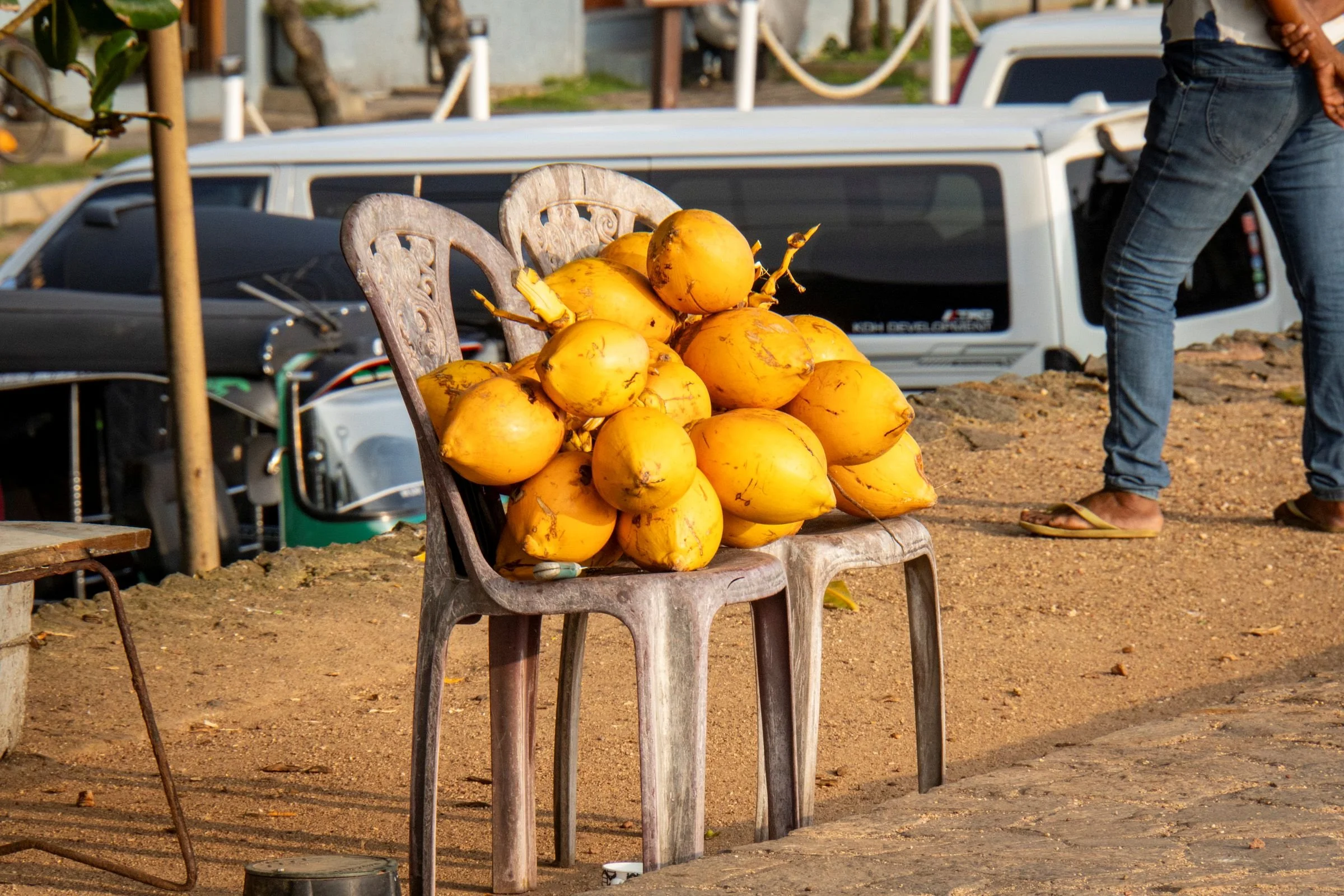
Coconuts being sold everywhere
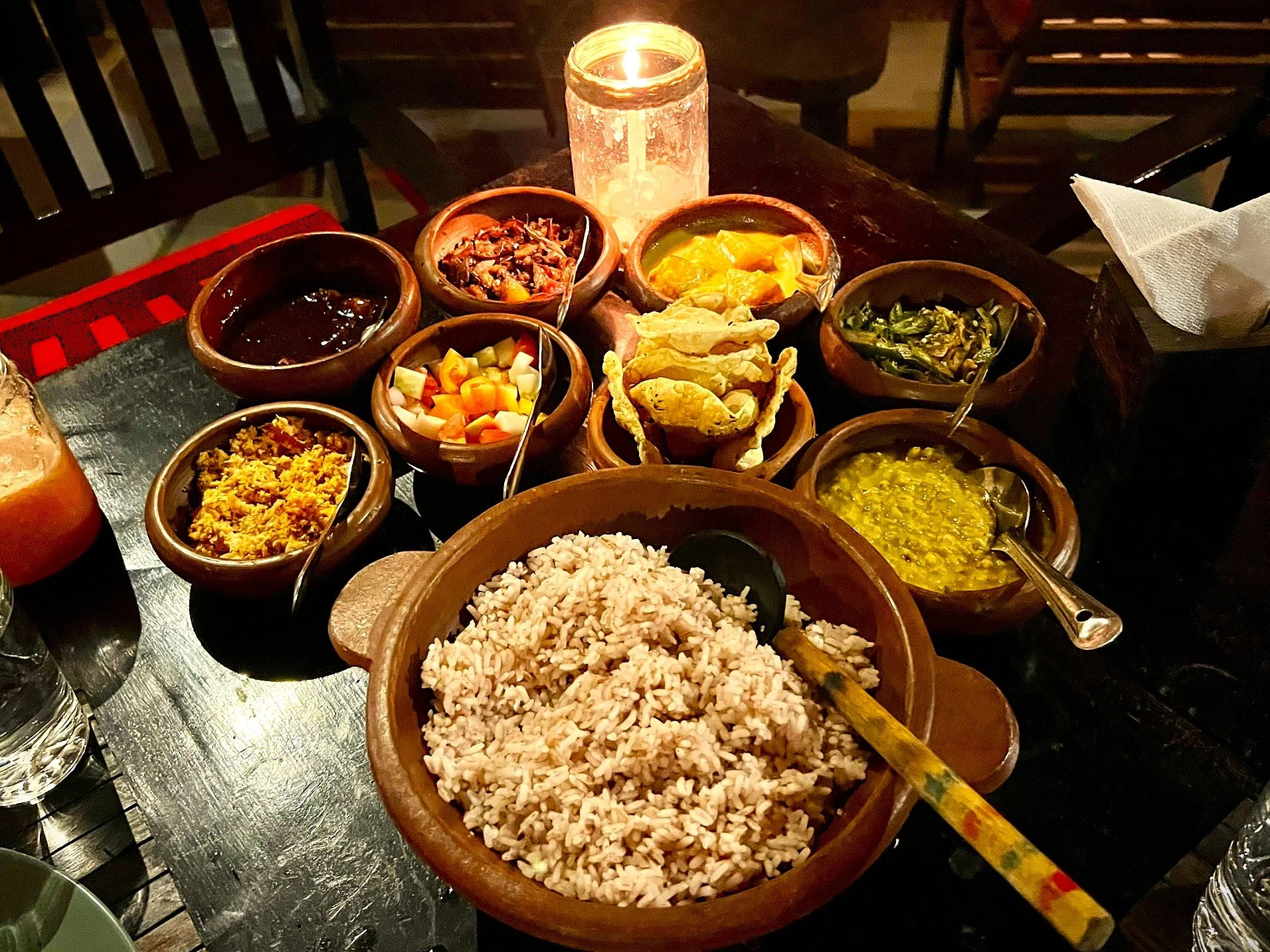
This is why when asked “Should we just cook you a bunch of dishes?”, the answer should always be yes.
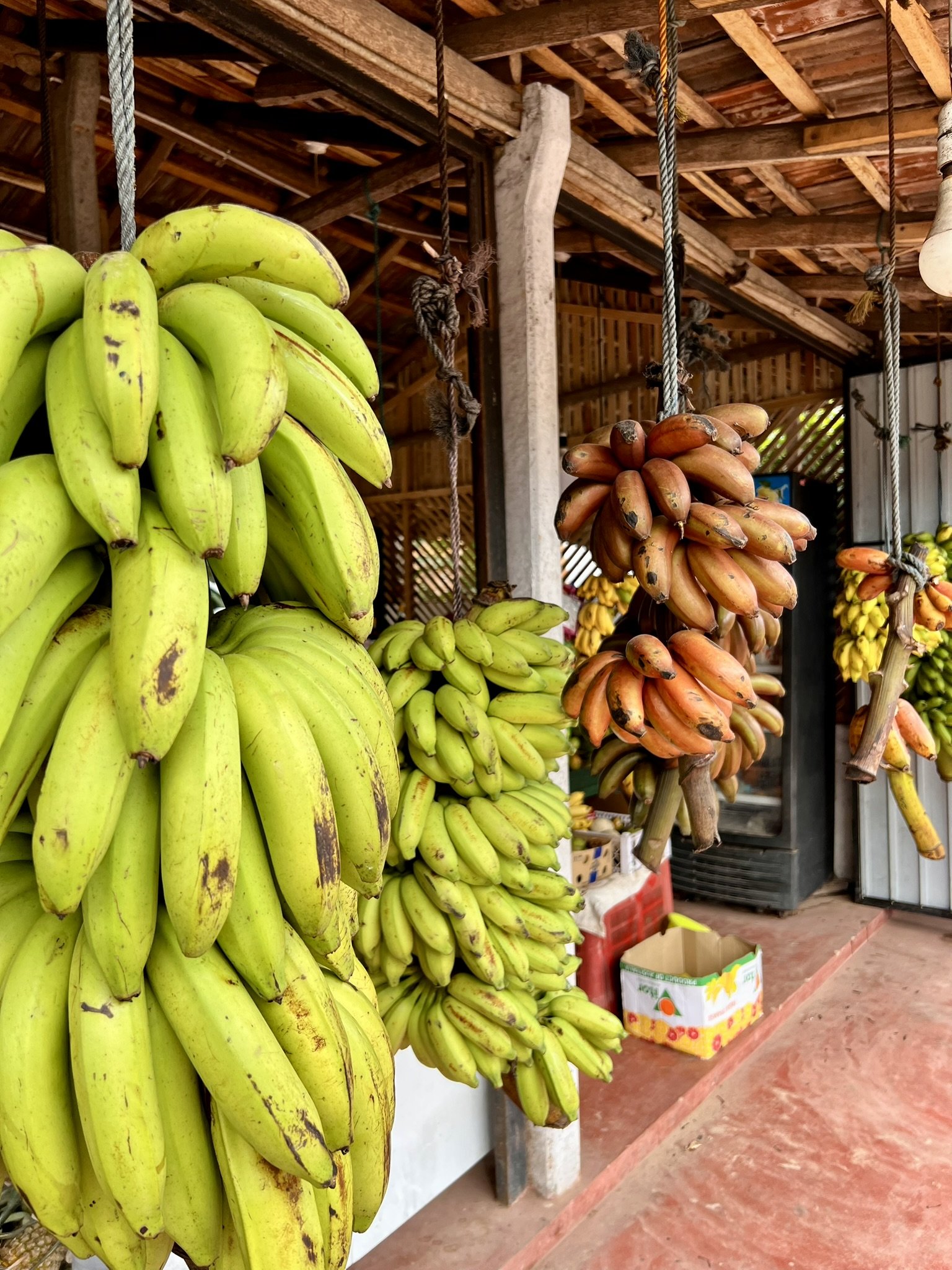
Fresh fruit and veggie stall
Flora and Fauna
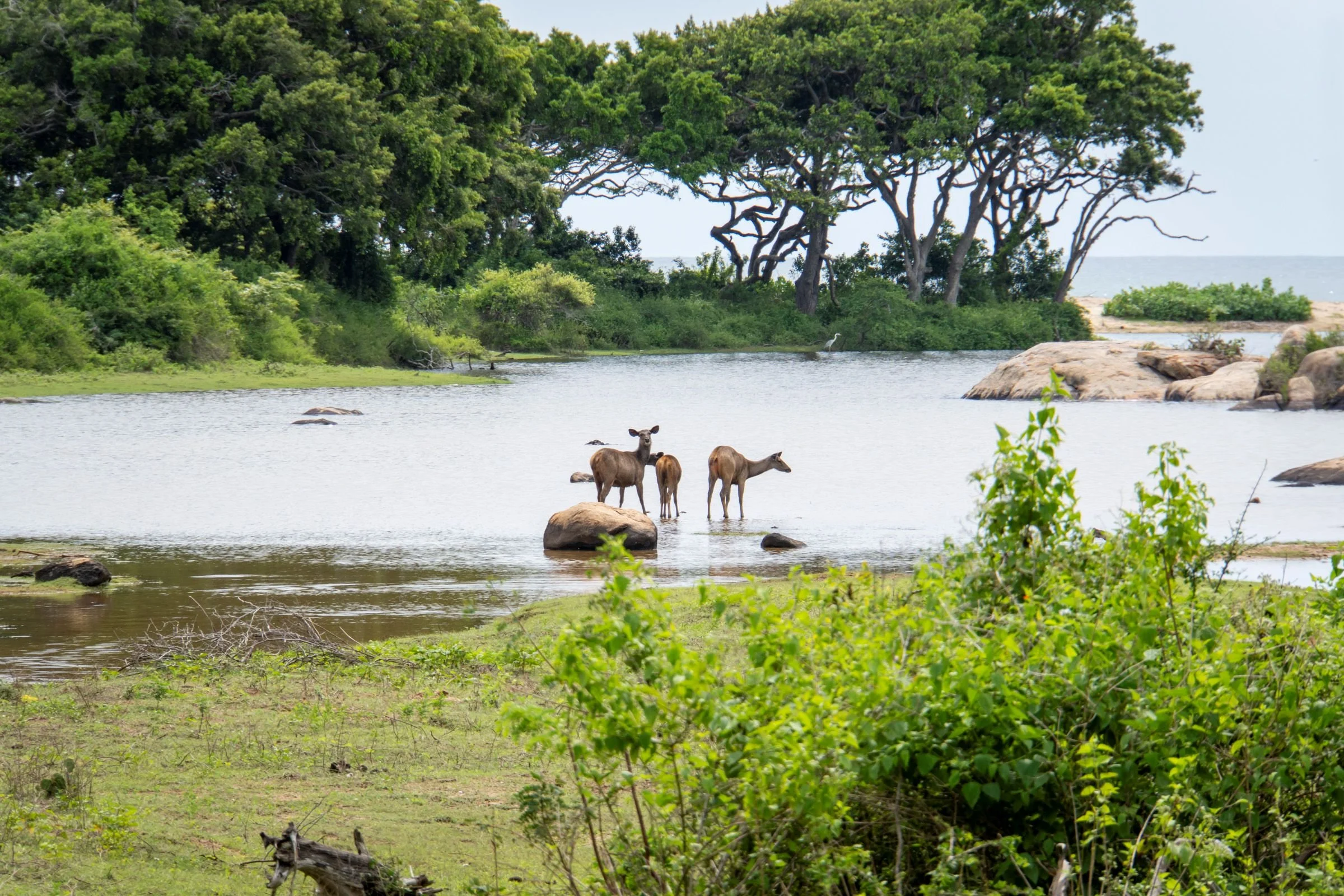
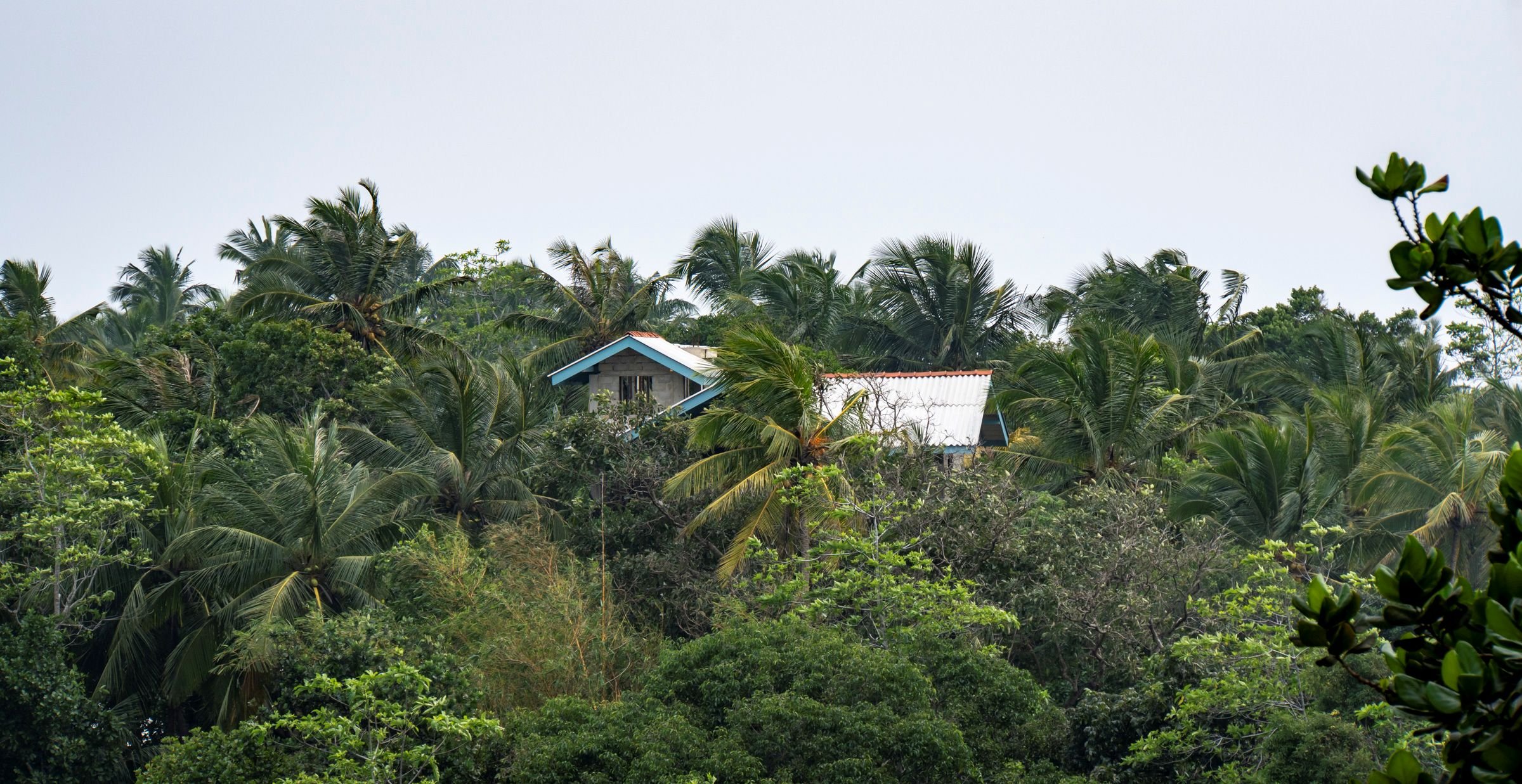
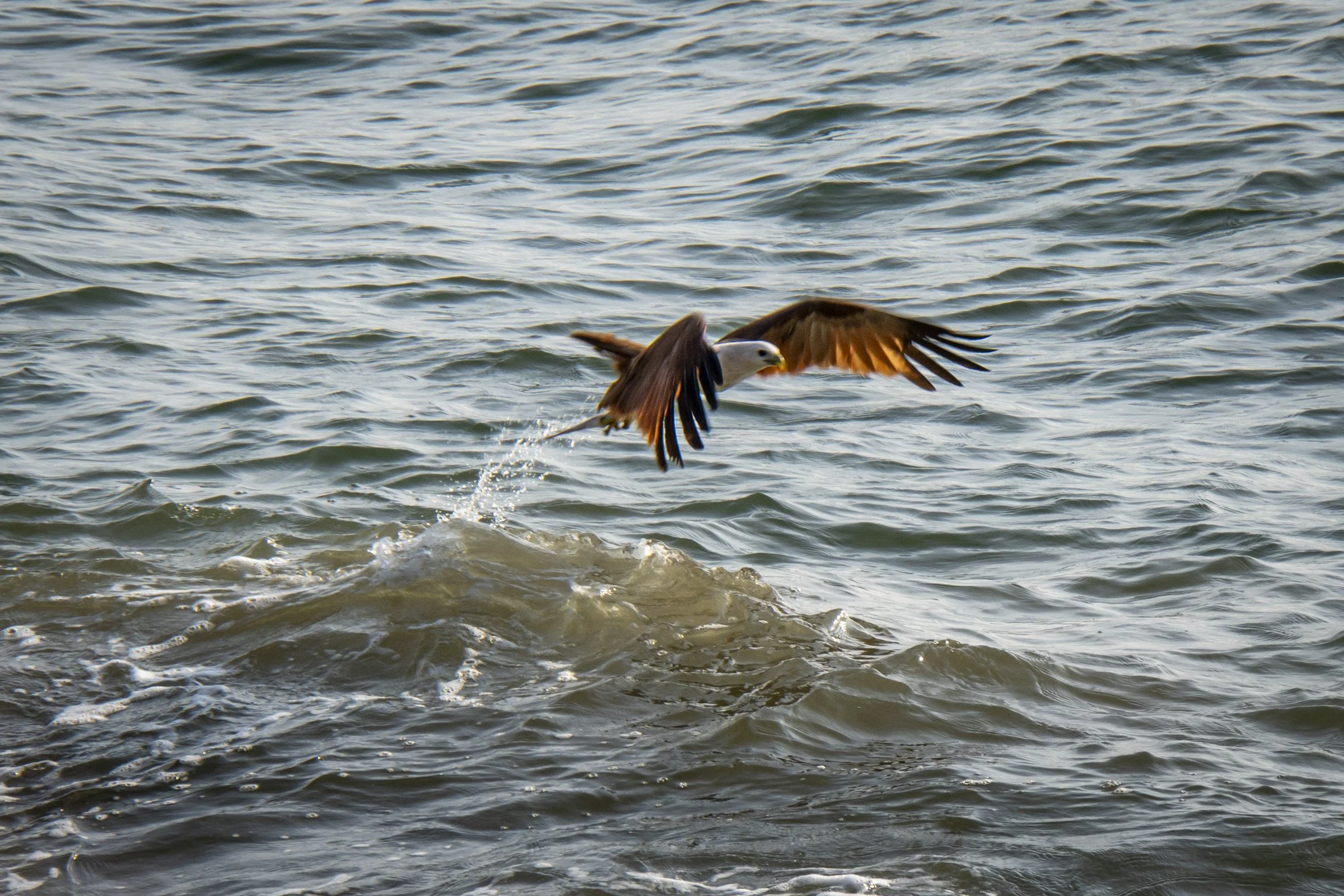
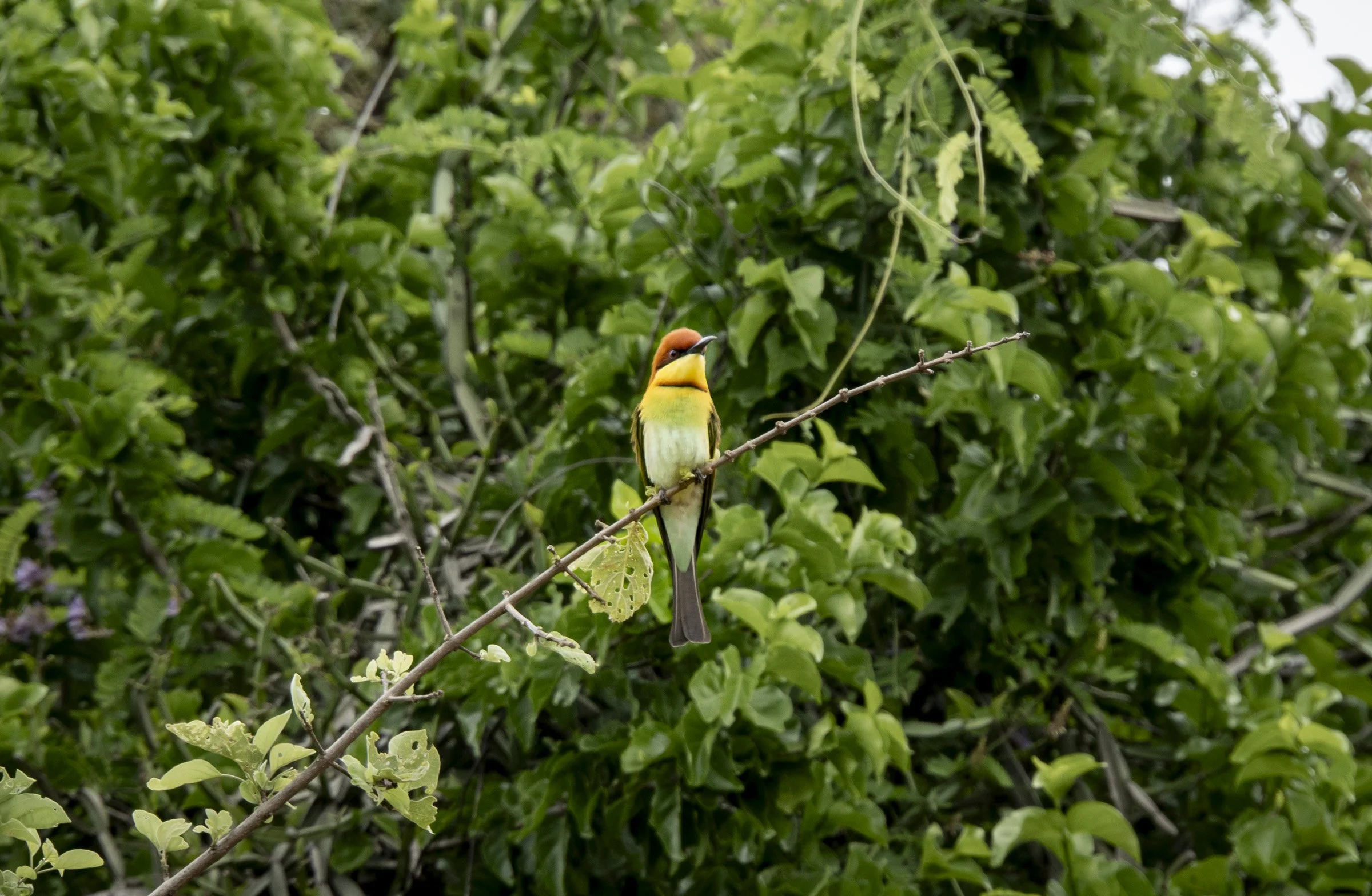
Sri Lanka is vibrant, humid and teeming with life. Mother nature really cooked with this one. The lush, green and never ending treeline that you can see pretty much everywhere is only broken up by cities and the hustle of everyday life. We smelled the vegetation as soon as we exited the airport: a mix of humidity, car fumes and plants is present everywhere, and it followed us along during our adventure on the island. The animal kingdom is well represented here with a huge variety of birds, insects, fish, mammals and reptiles co-existing with the locals in a “I leave you alone, if you leave me alone” kind of symbiosis. Except the mosquitos, they do not leave you alone, and if you are particularly liked by them, as I am, then you will sure be in for a wild ride.
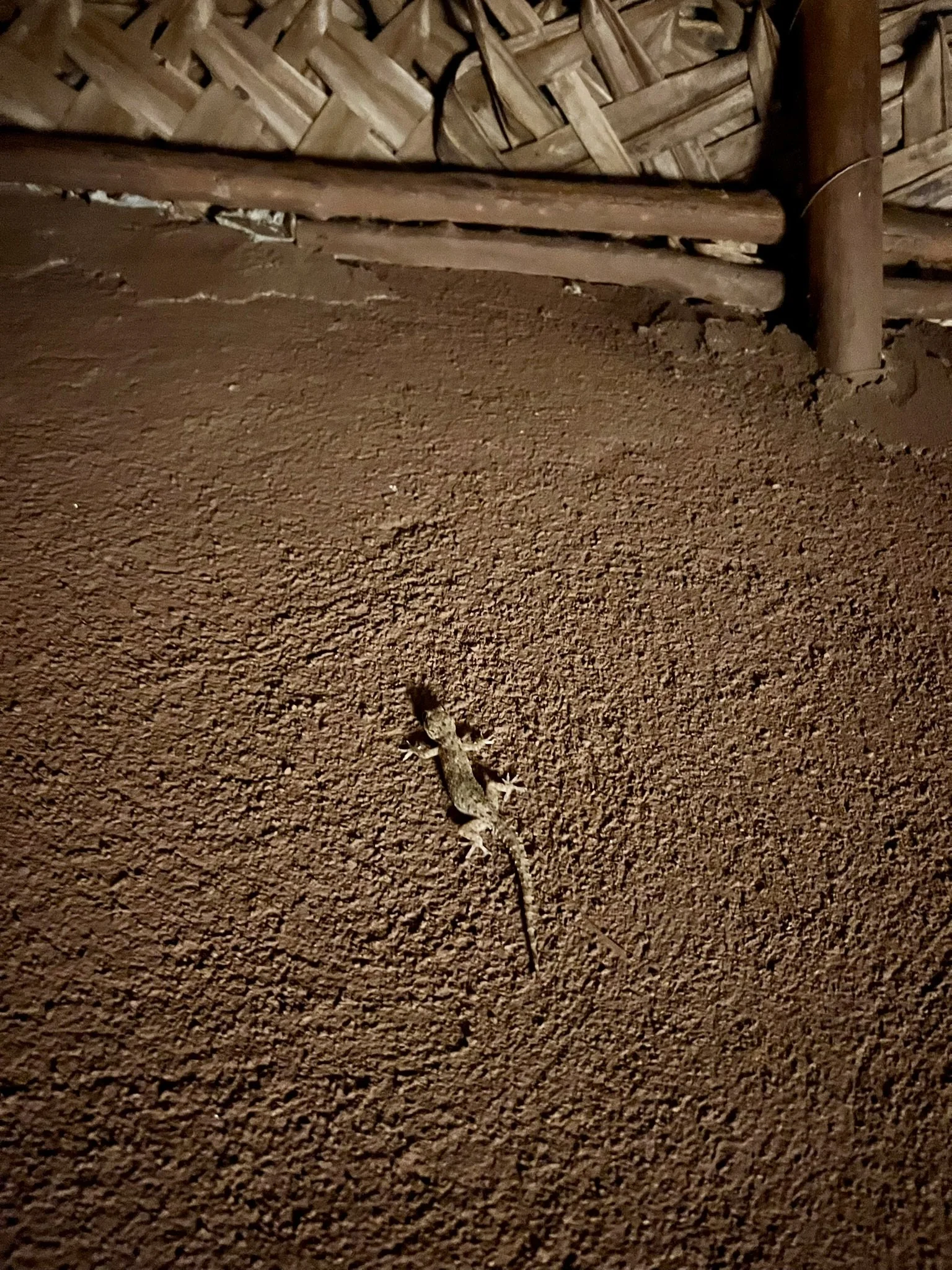
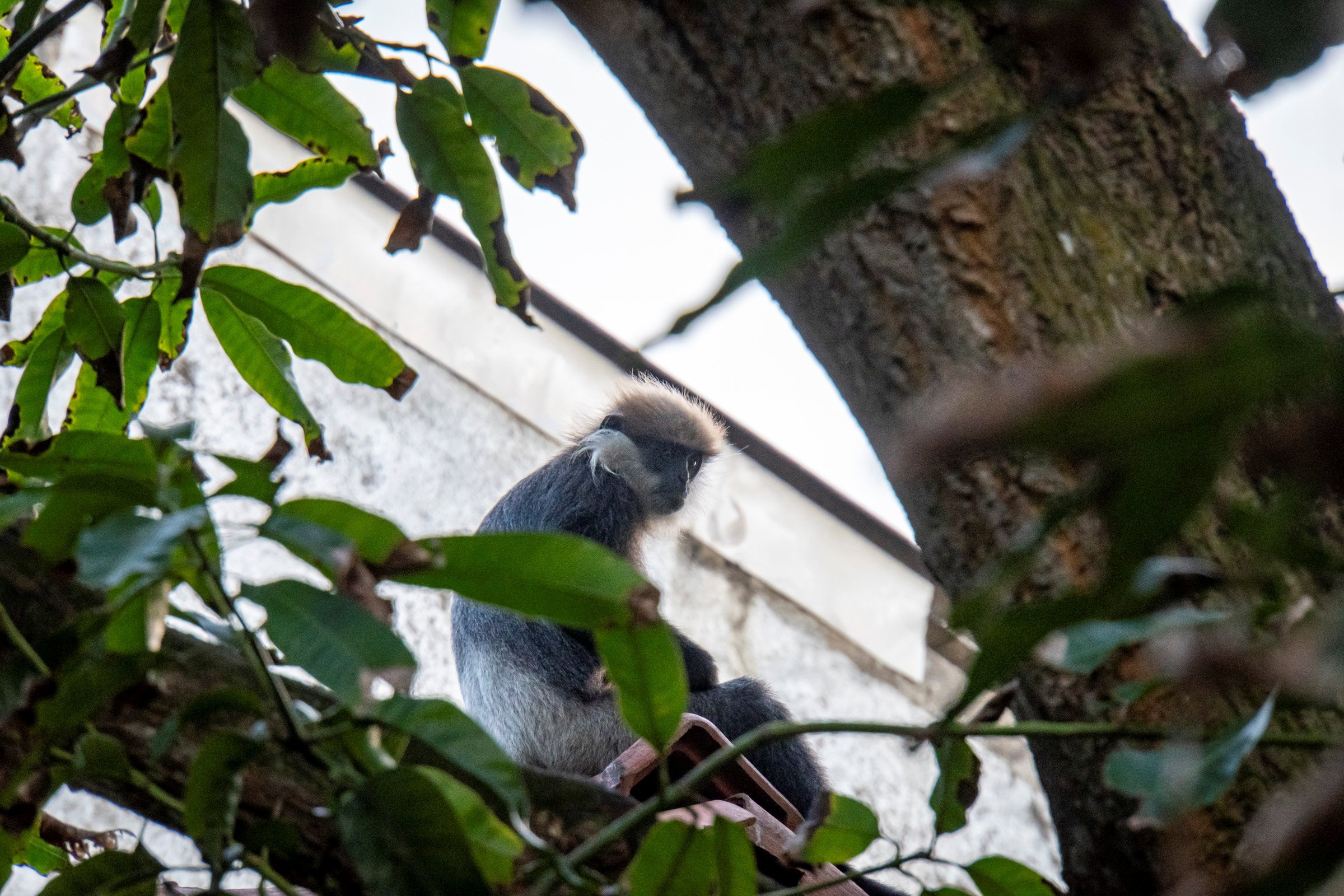
During our week we came across nonchalant monkeys chilling in city centers, peacocks crossing the highways like they owned them, and small critters and lizards entered your home as if they paid rent.
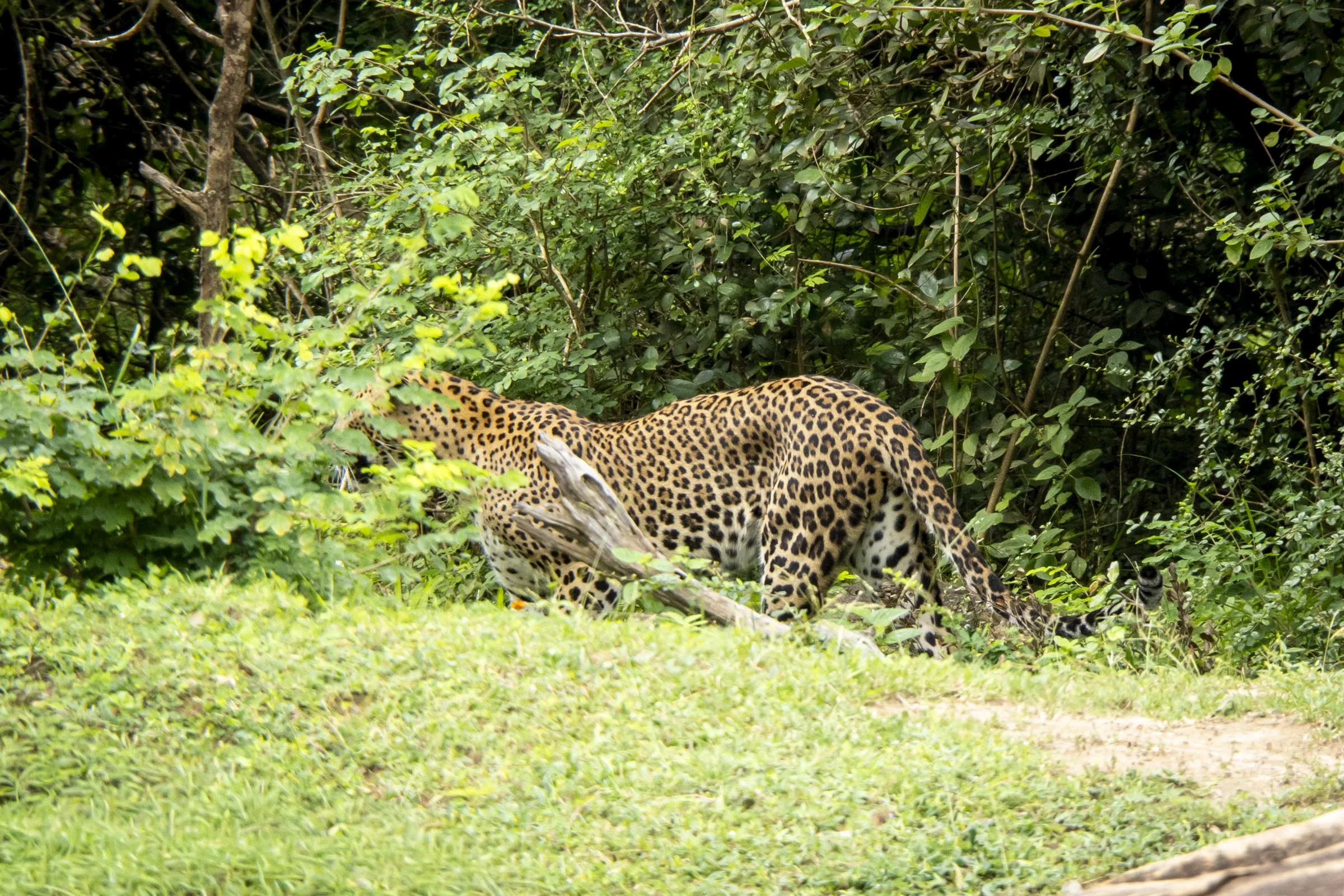
But nothing was ever going to prepare us for the natural beauty and diversity of Yala National Park. A place that left us stunned with its animals and nature, but also left us thinking of human impact inside what should be protected areas (if you feel like seeing more amazing shots and hearing the story, stay tuned for a Yala National park story/blog coming soon).
Final thoughts
Sri Lanka is a blast for the senses: the textures and bright colours go hand in hand with the lush green nature. The noise of cities is complemented by the sounds of wildlife and insects. The rich and bold flavors of the local cuisine will make you want to ask for the recipes. But I get it, it’s not for everyone. There’s a certain chaos that contrasts with the calmness and warmth of the air.
It’s an “acquired taste”, but once you get hooked, that’s it. Heading to a wedding in a tuk-tuk was not on my Bingo list for 2026 but I’m glad we did it. Delicious Kottu made up for being devoured by mosquitos while waiting. Waking up at 4 in the morning for the chance to see a Leopard was worth the bags under my eyes.
But these are some of the things that make this island so special. I can’t wait to go back one day to experience the northern territories which we did not have time to visit. With more mosquito spray next time…